DJ Warras Murder: CCTV Footage, Courtroom Revelations, and the SAPS Admission That Shook South Africa
The murder of popular entertainer Warrick “DJ Warras” Stock has become one of the most unsettling criminal cases to emerge from Johannesburg’s CBD in recent years. What initially appeared to be a brutal, targeted killing has now spiraled into a case layered with disturbing revelations — from unseen CCTV footage to courtroom bombshells and a rare, shocking admission by SAPS Crime Intelligence.
DJ Warras, a well-known figure in Johannesburg’s nightlife and entertainment scene, was gunned down in a killing that sent shockwaves through the city. As details slowly emerged, public outrage grew — not only over the violence itself, but over the questions surrounding how the crime unfolded and whether warning signs were ignored.
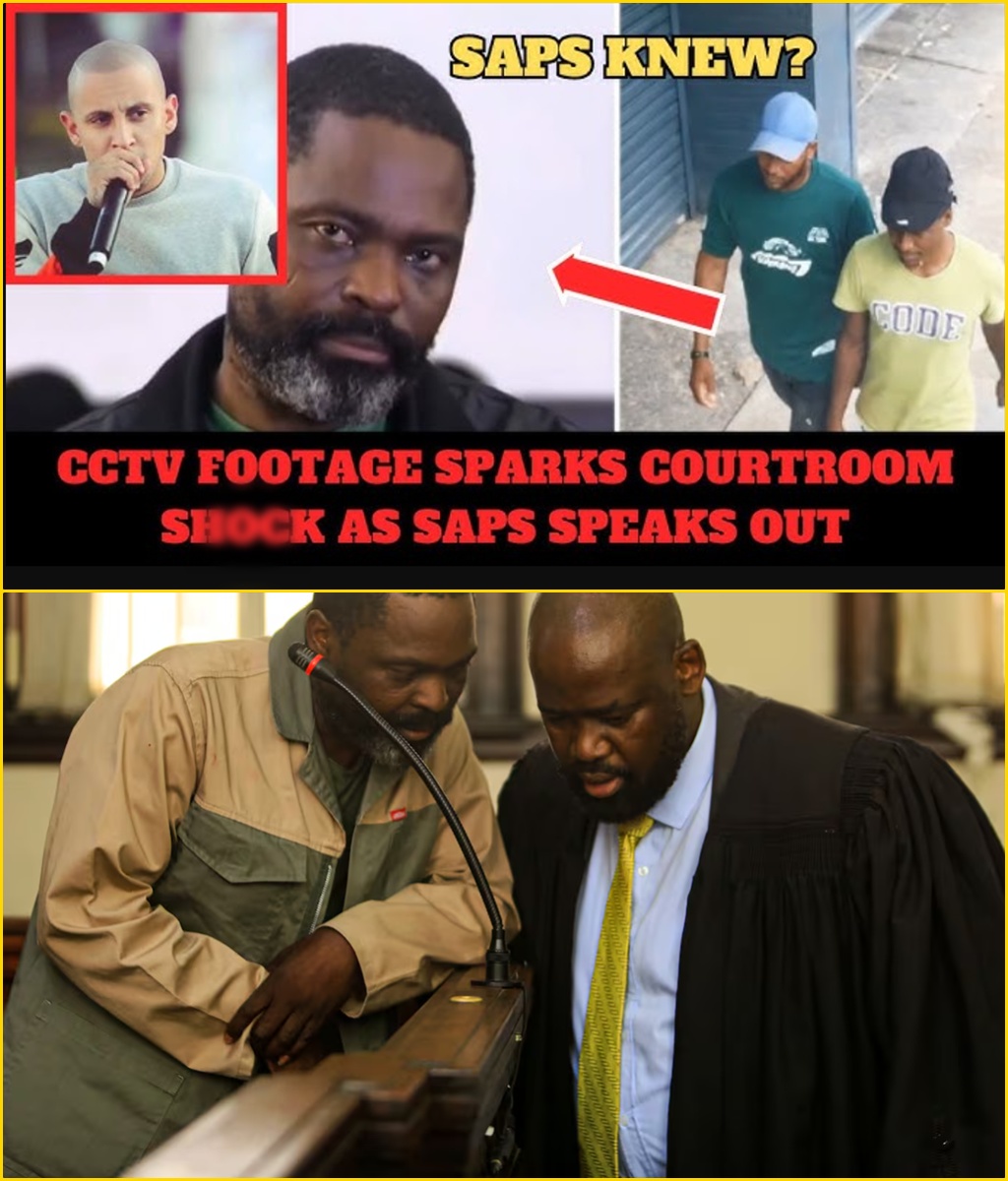
At the center of the latest developments is newly revealed CCTV footage captured before and after the shooting. According to court records and verified reporting, the footage allegedly shows the movements of suspects and possible accomplices in the moments leading up to the murder. Investigators believe the images may establish premeditation, coordination, and the presence of more than one individual involved in the attack.
Yet in a decision that stunned observers, the court refused to allow this CCTV footage to be presented during the bail proceedings. Legal experts note that in Schedule 6 offenses — which include premeditated murder — bail is rarely granted unless exceptional circumstances are proven. The exclusion of the footage raised immediate concerns among the public, with many questioning why potentially crucial visual evidence was withheld at such a critical stage.
During the bail hearing, prosecutors argued that the accused posed a significant flight risk and that the murder was not a spontaneous act, but a calculated execution. Testimony revealed allegations of accomplices, including claims that a firearm was concealed before the attack and later disposed of. These details strengthened the state’s case that the killing was planned rather than impulsive.
The court ultimately denied bail, citing the seriousness of the charges and the strength of the state’s argument. For many following the case, the decision offered some reassurance — but it did little to quiet the growing unease surrounding what authorities knew prior to DJ Warras’ death.
One of the most disturbing aspects of the case is the revelation that a protection order had been obtained just days before the killing. Court documents indicate that DJ Warras had sought legal protection, suggesting he feared for his safety. This detail alone has sparked intense debate, with questions mounting over whether adequate steps were taken to assess and mitigate the risk to his life.
The case took an even darker turn when SAPS Crime Intelligence made an admission during proceedings that has since reverberated across South Africa. According to testimony, Crime Intelligence acknowledged having prior information relevant to the individuals involved — an admission that immediately raised concerns about whether the threat level was properly evaluated or acted upon.
While SAPS has not publicly disclosed the full scope of that intelligence, the acknowledgment has shifted the national conversation from who pulled the trigger to what systems failed. Civil society groups, legal analysts, and members of the public are now asking whether this murder represents not just a criminal act, but a breakdown in intelligence-sharing and preventative policing.
Mzansi PoliScope’s examination of the case brings these elements together — the unseen CCTV footage, the courtroom testimony, the denied bail, the protection order, and the SAPS admission — to paint a troubling picture of how violence, bureaucracy, and missed warnings may have converged with fatal consequences.
As the case moves toward trial, one truth is already clear: DJ Warras’ death is no longer just about one night in Johannesburg’s CBD. It has become a test of accountability for South Africa’s criminal justice and intelligence systems — and a painful reminder of what happens when warning signs are seen, but not fully confronted.
All individuals mentioned in this case remain presumed innocent until proven guilty in a court of law.
News

WORDS TURNED D-E-A-DLY? — Jaro City’s Lil Mikey Gu-nned Down After Explosive Argument Tied to Viral Diss
The hip-hop community is once again grappling with tragedy following the fatal shooting of Jaro City rapper Lil Mikey, an…

IT WAS ALL GONE IN MINUTES — Community Heartbreak as Heroic Grandparents Lose Home in Sh0cking Blaze
An Adelaide community is rallying around two much‑loved grandparents and volunteers who have lost everything in a ferocious house fire….
HE SAID TOO MUCH? — NC Rapper Gu-nned Down Moments After Sh0cking Facebook Live Confession
A shocking and deeply disturbing incident has rocked the hip-hop community after a North Carolina rapper was fatally shot just…
HIS STORY ISN’T ADDING UP — Tiger Woods’ DUI Arrest Takes Dark Turn as New Details Raise Serious Questions
Tiger Woods called President Donald Trump in the moments after his shocking car crash in Florida, new bombshell footage appears to show. The golf…
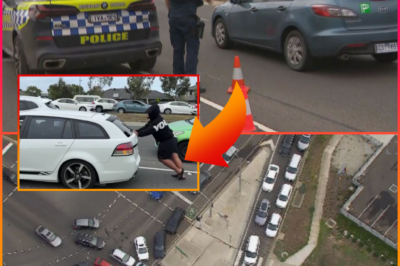
FROM GIVEAWAY TO GRIDLOCK — CCTV Shows Melbourne Petrol Station Descend Into Complete Chaos Over $100K Fuel Promotion
Police have been forced to shut down a $100,000 fuel giveaway at a Melbourne petrol station after the stunt resulted in traffic mayhem. The…

SHE WAS ONLY SEVEN MONTHS OLD — Distu-rbing Video Shows NYC Mom’s Agonizing Realization After Baby Sh0t D-ead
A video captured the heart-wrenching moment a young mom realized her 7-month-old daughter had been shot by a stray bullet while…
End of content
No more pages to load