The Darkest Theory Yet: What If Stranger Things Was Never Real — Only Mike’s Mind Trying to Survive Loss?
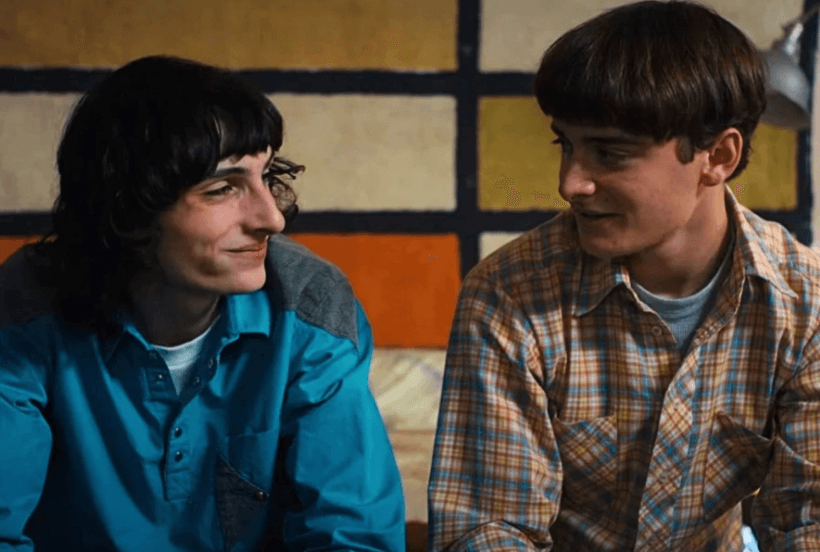
Stranger Things has captivated audiences since its 2016 debut, blending 1980s nostalgia with supernatural thrills. The Duffer Brothers’ creation follows a group of kids in Hawkins, Indiana, battling interdimensional horrors. But what if the entire saga—demogorgons, the Upside Down, psychic powers—wasn’t a tale of cosmic evil at all? What if it was the desperate fabrication of a grieving child’s mind? This chilling fan theory posits that Will Byers truly died on November 6, 1983, and everything we’ve watched unfolds inside Mike Wheeler’s fractured psyche as he grapples with unbearable loss.
The theory begins with the show’s inciting incident: Will’s disappearance after a Dungeons & Dragons session. In the series, Will is abducted into the Upside Down, a parallel dimension teeming with monsters. His friends—Mike, Dustin, and Lucas—embark on a quest to save him, aided by the enigmatic Eleven. But according to this interpretation, search parties really did find Will’s body in the woods, cold and lifeless. Overwhelmed by trauma, Mike, the group’s de facto leader and Will’s closest friend, suffers a mental breakdown. Institutionalized, he retreats into a vivid fantasy world where death isn’t final. Here, Will isn’t gone; he’s trapped, reachable, and redeemable through heroic efforts.
This reimagining casts the supernatural elements as metaphors for Mike’s psychological turmoil. The Upside Down represents the void of grief—a shadowy mirror of reality where decay and danger lurk. The demogorgon, that faceless predator, embodies the sudden, inexplicable nature of loss, snatching away loved ones without warning. Eleven, with her telekinetic abilities and shaved head, could symbolize Mike’s idealized savior figure, perhaps inspired by a doctor or therapist in the institution. Her nosebleeds during power exertion mirror the physical toll of Mike’s emotional strain, while her backstory of government experiments reflects his feelings of being trapped in a cold, clinical environment.
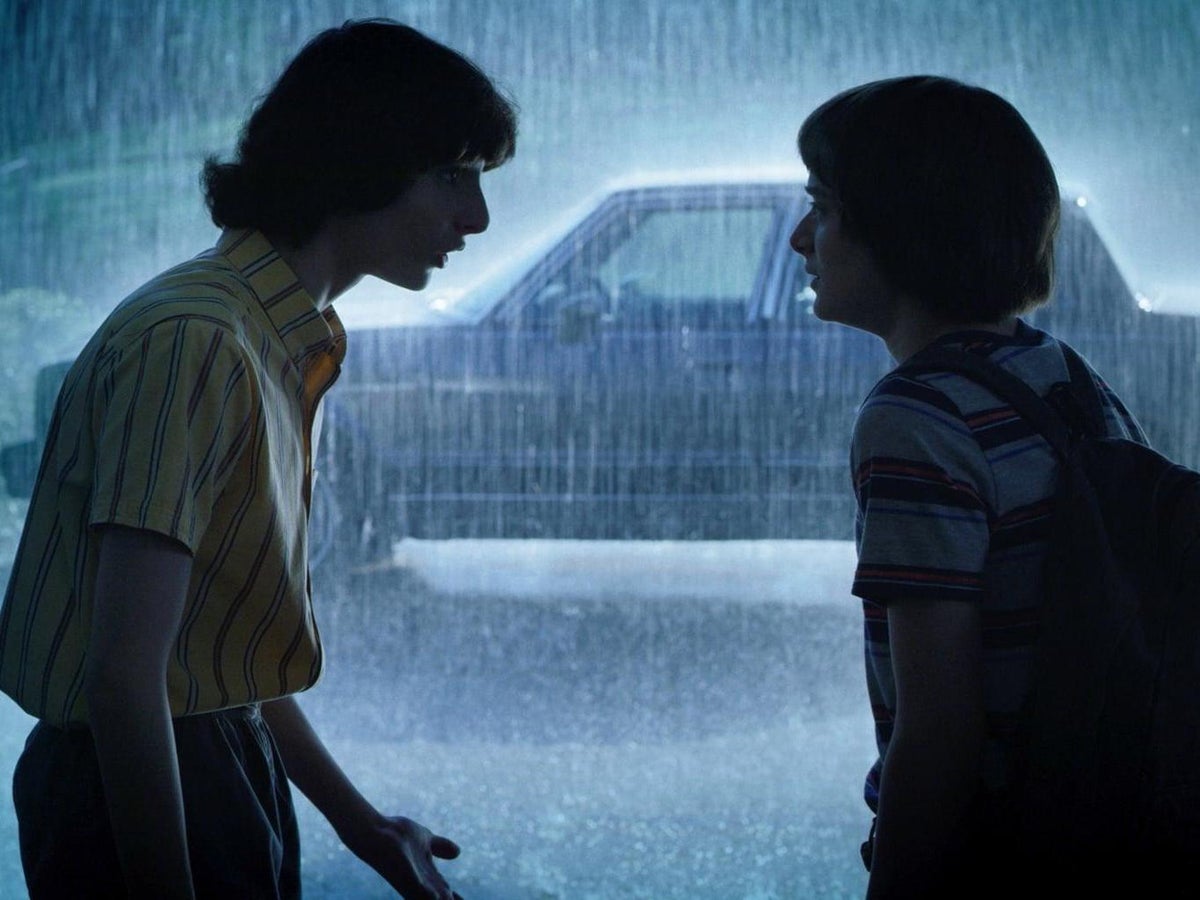
As the seasons progress, the theory deepens. In Season 2, Will’s possession by the Mind Flayer becomes Mike’s internalized guilt—why couldn’t he protect his friend? The exorcism-like efforts to free Will are Mike’s attempts to exorcise his own demons. By Season 3, the escalating threats, like the massive flesh monster, symbolize how grief mutates over time, growing more monstrous if unaddressed. Hopper’s “death” and resurrection in later seasons? A projection of Mike’s denial, refusing to let go of paternal figures amid his chaos.
Even the show’s ensemble cast fits this lens. Joyce Byers’ frantic light-string communications could be Mike overhearing nurses’ murmurs or seeing flickering institutional lights as signs from beyond. The kids’ bike rides through Hawkins evoke Mike’s memories of carefree days, now twisted into epic adventures. And Vecna in Season 4, preying on victims’ traumas through visions? That’s Mike confronting his own suppressed memories, the clock chimes marking therapy sessions ticking away.

Critics of the theory might argue it undermines the show’s themes of friendship and resilience. Yet, it enhances them, transforming Stranger Things into a profound meditation on mental health. Mike’s imagination isn’t escapism; it’s survival. In a world where kids face adult horrors—divorce, bullying, now amplified by loss—he weaponizes creativity. Dungeons & Dragons, the game’s core influence, becomes his toolkit for rewriting reality. Every victory against the shadows is Mike clinging to hope, refusing to accept a world without Will.
This interpretation doesn’t invalidate the joy fans find in the series. Instead, it adds layers of heartbreak, reminding us how stories heal. If true, Stranger Things isn’t about monsters under the bed; it’s about the ones in our heads. As the final season approaches, one wonders: Will Mike ever wake up? Or is eternal fantasy his only peace? In the end, this theory turns a popcorn thriller into a tragic elegy for innocence lost, proving the darkest horrors are often the ones we create to endure.
News
YNW Melly Trial Mystery Deepens—Mistrials, Disputed Evidence, and a 2027 Retrial Shock
The case surrounding YNW Melly has become one of the most prolonged and controversial legal battles in modern hip-hop — and as…

Classic Romance… With a Dark Twist: The Jane Austen–Inspired Drama Everyone Is Suddenly Obsessed With
The BBC’s latest Jane Austen drama, The Other Bennet Sister, has had viewers glued to their screens since it premiered on Sunday night….

Netflix’s New 10-Episode Cr-i-me Series Is Taking Over — Fans Are Staying Up All Night to Finish It
Lincoln Lawyer Season 4 Just Hit Netflix – What It’s About The fourth season of The Lincoln Lawyer arrived on Netflix this…

‘My Eyes Are Up Here!’ — Sarah Sherman Sends SNL Into Chaos With Explosive Kristi Noem Satire
The costume was “shimmering”—but the scandal was ‘shatteringly’ bizarre. In a segment that has been branded “the most ‘soul-searing’ and…

SNL Weekend Update Explodes: Colin Jost and Michael Che Spark Viral Storm With Bold White House Satire
The Sharpie was “shimmering”—but the memories were ‘shatteringly’ redacted. In a broadcast that has been branded “the most ‘soul-searing’ and…

‘Nothing Was Off Limits’: SNL’s Final Four Parody With Kenan Thompson Goes Viral After Explosive J0kes
The tournament was “shimmering”—but the commentary was ‘shatteringly’ blunt. In a cold open that has been branded “the most ‘soul-searing’…
End of content
No more pages to load