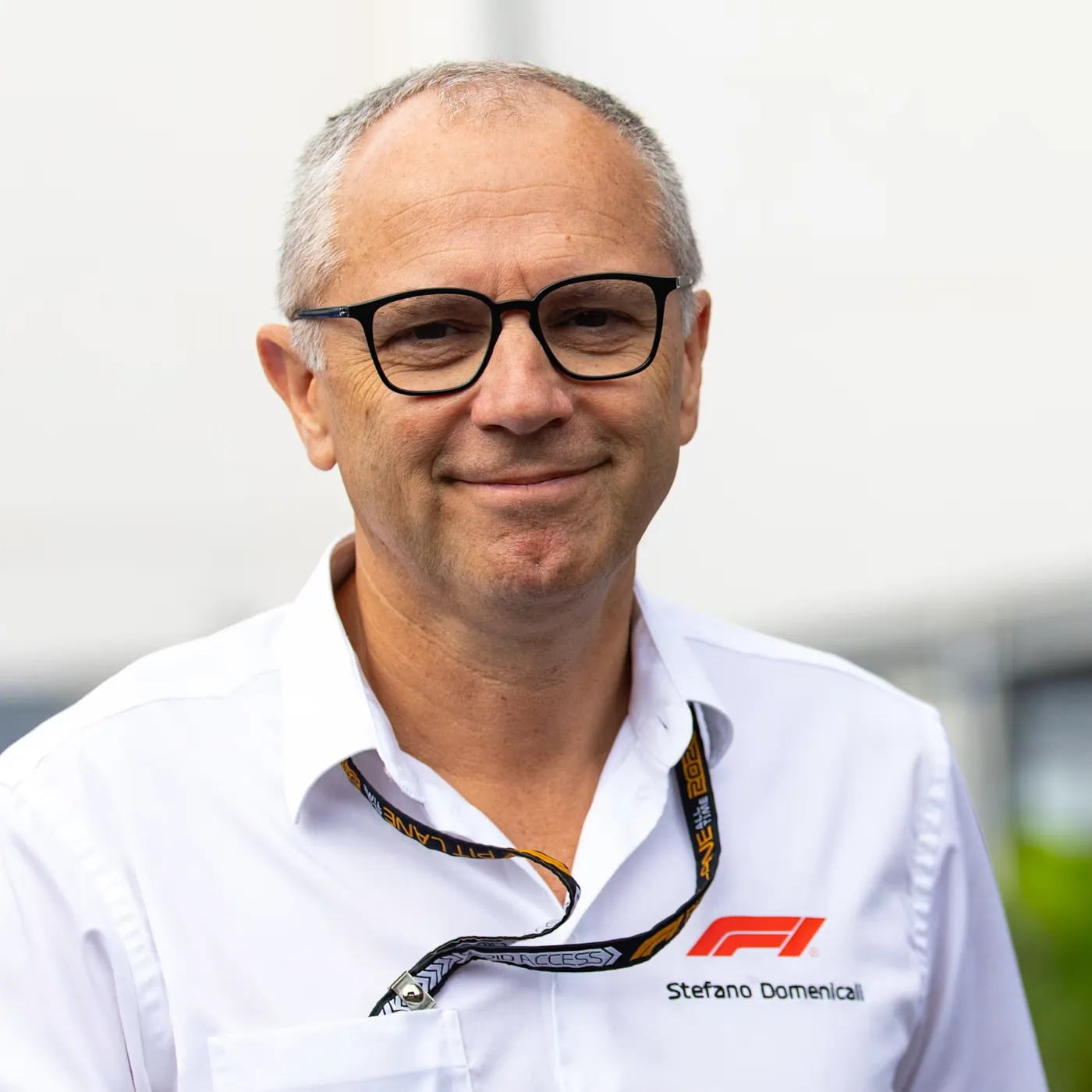
Stefano Domenicali Sparks F1 Controversy After Claiming Most Fans Want Entertainment Over Technical Insight
The Great Identity Crisis: Stefano Domenicali, Zak Brown, and the Battle for the Soul of the F1 Audience
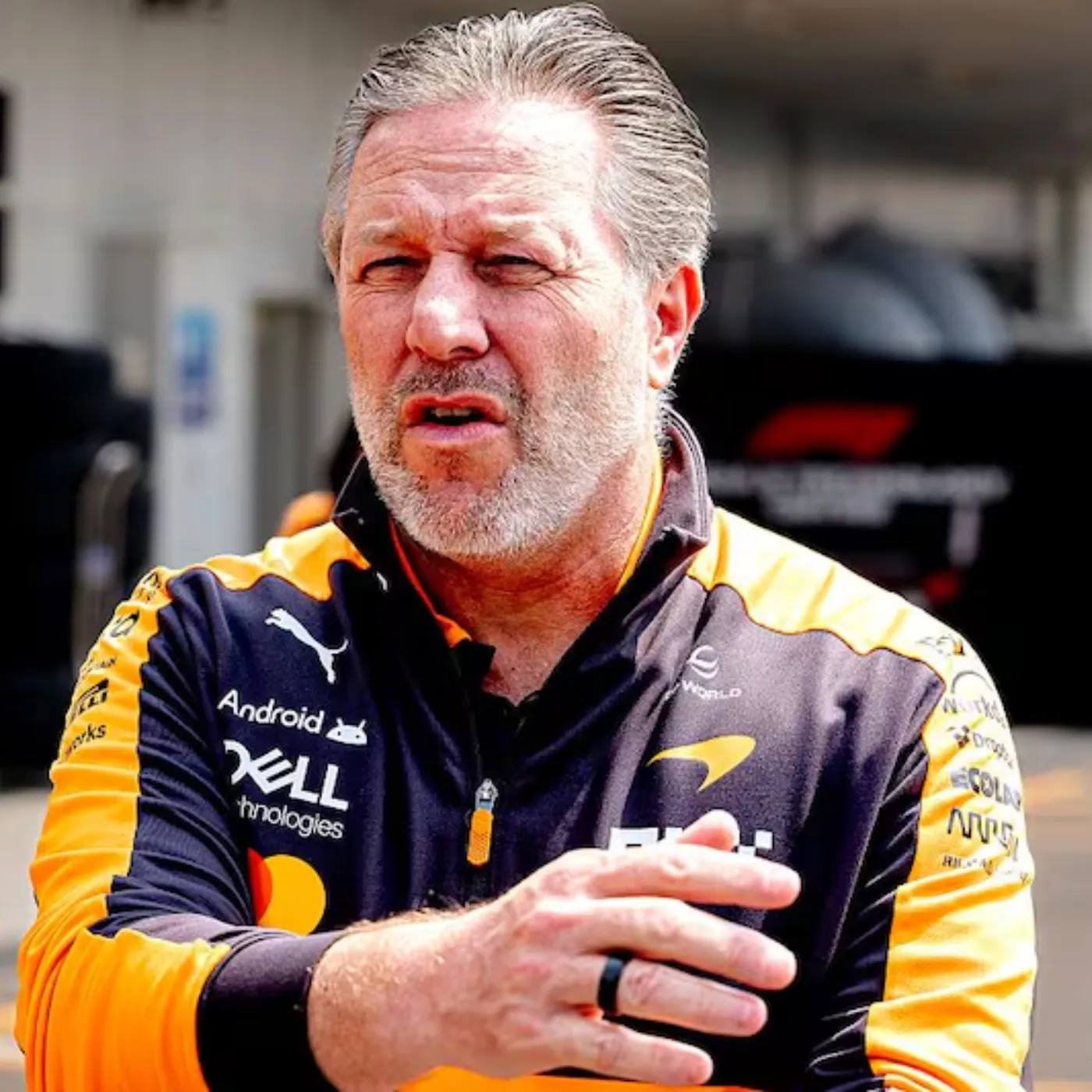
The high-octane world of international motorsport is currently navigating a period of unprecedented growth and cultural transformation, but this evolution has recently hit a significant stumbling block. A massive controversy has erupted within the Formula 1 community following a series of provocative statements made by F1 CEO Stefano Domenicali. During a high-level summit regarding the future of the sport’s commercial rights, Domenicali suggested that the modern viewer is largely indifferent to the complex engineering that has historically defined the series. His assertion that “the audience doesn’t understand and doesn’t care” about technical nuances like hybrid systems or powertrain efficiency sparked immediate outrage among traditionalists. However, the situation reached a boiling point when McLaren CEO Zak Brown stepped into the arena, offering a starkly different perspective that placed the F1 audience at the very center of a debate about authenticity versus entertainment.
This clash of titans represents more than just a disagreement between two executives; it highlights a fundamental divide in how the pinnacle of motorsport perceives its own supporters. On one side, there is the drive to simplify the sport for a “Drive to Survive” generation that prioritizes drama and personality. On the other side, there is the belief that the technical “DNA” of the sport is exactly what creates its long-term value. As the debate rages on, the fans themselves have become the central figure in a tug-of-war that will determine the direction of the 2026 F1 regulations and beyond.
The Domenicali Doctrine: Entertainment Over Engineering
Stefano Domenicali’s comments were not a slip of the tongue but rather a reflection of a broader strategic shift under Liberty Media’s ownership. The CEO argued that while engineers are obsessed with MGU-H recovery and thermal efficiency, the average fan sitting on their couch in New York or London is simply looking for a spectacle. He suggested that the “technical barrier to entry” is too high for the mass market and that focusing too heavily on these aspects could alienate the millions of new fans who have joined the sport in recent years. By stating that the audience “doesn’t care” about the powertrain, Domenicali essentially proposed a future where the mechanical intricacies of the cars are secondary to the “show.”
This perspective is rooted in data that shows a massive spike in viewership among demographics that previously had no interest in racing. These fans are drawn to the rivalries between drivers like Max Verstappen and Lando Norris, rather than the specific aerodynamic upgrades brought to a Grand Prix. However, by publicly dismissing the importance of technical understanding, Domenicali has inadvertently insulted the “hardcore” fan base that has sustained the sport for over seventy years. This group feels that the F1 CEO is trading the sport’s soul for a temporary surge in popularity.
Zak Brown’s Counter-Attack: Respecting the Fan’s Intelligence
If Domenicali is the architect of the “entertainment-first” model, Zak Brown has become the champion of the “informed fan.” The McLaren CEO was quick to react to Domenicali’s comments, stating that the F1 audience is actually far more sophisticated than they are given credit for. Brown argued that the beauty of Formula 1 lies in its complexity and that fans find the technical battles between teams just as compelling as the overtakes on track. He suggested that by “dumbing down” the sport, the leadership risks losing the very thing that makes it unique among all other athletic competitions.
Brown’s reaction brought the controversy to a head because it challenged the idea that “entertainment” and “technical depth” are mutually exclusive. He pointed out that modern fans have access to more data than ever before, from live telemetry to detailed technical blogs and videos. To suggest that these fans “don’t care” about the hybrid era or sustainable fuels is, in Brown’s view, a total misreading of the market. This public disagreement has forced a conversation about whether F1 should be a “sporting spectacle” or a “technical championship.”
The 2026 Regulation Crisis: A Technical Crossroads
The timing of this debate is critical, as the sport prepares for the massive 2026 technical regulations. These new rules will see a significant shift in how power is generated, with a 50-50 split between internal combustion and electrical power. This is perhaps the most complex engineering challenge the sport has ever faced. If Domenicali is right and the audience truly doesn’t care, then the immense cost and effort spent developing these powertrains might be wasted. However, if the fans are as engaged as Zak Brown claims, then the success of the 2026 era depends entirely on the audience understanding why these changes are important.
The F1 community is currently divided over whether the 2026 cars will produce good racing. Some fear that the emphasis on electrical harvesting will lead to “tactical” driving where drivers have to save energy rather than push for the limit. This technical concern is exactly the kind of thing Domenicali wants to hide from the casual viewer, but it is exactly what the informed fan is worried about. This highlights the “transparency gap” that is fueling the current controversy.
The “Netflix Effect” and the New Wave of F1 Fans
It is impossible to discuss the F1 audience without acknowledging the impact of the “Drive to Survive” documentary series. This show has successfully humanized the paddock, turning engineers and team principals into household names. While this has been a boon for sponsorship and ticket sales, it has also created a perception that the sport is more of a “reality TV show” than a technical competition. Domenicali’s comments seem to be a direct attempt to cater to this specific segment of the fan base.
However, the “new wave” of fans is proving to be more curious than expected. Many who started watching because of the drama are now diving deep into the technical side, trying to understand why a Red Bull is faster than a Ferrari in a high-speed corner. By suggesting that these fans “don’t understand,” the F1 leadership is underestimating the capacity of the modern viewer to learn and engage with complex topics. The Zak Brown reaction resonated so strongly because it gave a voice to those who feel they are being talked down to by the sport’s hierarchy.
Engineering Excellence vs Commercial Viability
At the heart of the Domenicali controversy is the tension between the “purity” of engineering and the reality of commercial growth. Formula 1 is an incredibly expensive sport to run, and it requires a constant influx of sponsorship money. Sponsors want to be associated with a popular, mainstream product. From a commercial standpoint, a sport that is “too technical” can be seen as niche and unapproachable. Domenicali is tasked with keeping the sport profitable, and his focus on entertainment is a way to ensure that the “F1 brand” remains a global powerhouse.
On the other hand, the manufacturers like Mercedes, Ferrari, and Audi (entering in 2026) are in the sport specifically for the technical challenge. They want to prove that their powertrain technology is the best in the world. If the audience doesn’t care about that technology, the marketing value for these automotive giants diminishes. This creates a dangerous friction between the owners of the sport and the manufacturers who provide the cars.
The Role of Digital Media in Fan Education
The way fans consume F1 has changed drastically in the last decade. In the past, technical information was locked away in expensive magazines or behind the closed doors of the garage. Today, “F1 Technical” YouTube channels and social media influencers provide frame-by-frame breakdowns of every new front wing and diffuser. This democratization of information has empowered the F1 audience to become their own experts.
When a team principal like Zak Brown speaks out, he is tapping into this digital ecosystem. He understands that the “technical fan” is also the “influential fan”—the one who writes the blogs, records the podcasts, and keeps the conversation going between races. By alienating this group, the sport risks losing its most effective “brand ambassadors.” The F1 community outrage is a clear signal that the audience wants to be respected for their knowledge, not just their attention span.
The Sustainability Narrative: Why Technical Details Matter
One of the biggest pillars of F1’s future is its commitment to Net Zero 2030 and the use of 100% sustainable fuels. These are inherently technical topics. If the audience “doesn’t care” about the powertrain, then they likely won’t care about the sport’s environmental efforts either. However, in 2026, the younger demographic that F1 is so desperate to attract is the same demographic that cares most about sustainability and corporate responsibility.
By dismissing the technical aspects, Domenicali is also dismissing the “why” behind F1’s move toward green technology. The Zak Brown perspective suggests that the technical story is the only way to make the sustainability message land. If fans understand the engineering miracles required to run a high-performance engine on carbon-neutral fuel, they will be far more likely to support the sport’s transition.
The Dangers of “Dumbing Down” the Sport
History has shown that when a sport tries to simplify itself too much to attract a broad audience, it often loses its identity. We have seen this in various American sports leagues where rule changes aimed at increasing scoring or speeding up play have alienated long-time fans. The F1 community is currently terrified that the sport will become a “spec series” where all the cars are the same and the engineering battle is removed entirely.
Domenicali’s comments were seen as a step toward this “spec-series” future. If the technical nuances don’t matter, then why bother with different designs? Why not just give everyone the same car and focus on the drivers? For the F1 audience, this would be the end of the sport as they know it. Zak Brown’s intervention was a critical “line in the sand” that reminded the leadership that the technical competition is what separates F1 from every other racing series on the planet.
The Paddock Reaction: Whose Side Are the Teams On?
While Zak Brown was the most vocal, he is not alone in his concerns. Inside the paddock, many technical directors and engineers were privately horrified by Domenicali’s dismissal of their work. The “human cost” of developing an F1 car involves thousands of people working around the clock to find a tenth of a second in the powertrain. To be told that the audience doesn’t care about that effort is a massive blow to morale.
However, some smaller teams that struggle to find sponsorship might secretly agree with Domenicali. If the sport were simpler and more “entertainment-focused,” it might be easier for them to attract local sponsors who are more interested in seeing their logo on a famous driver’s helmet than in the intricacies of the MGU-K. This split within the teams mirrors the split within the fan base, creating a complex political landscape that the F1 CEO must navigate.
The Fan Voice: Social Media as a Battleground
In the hours following the news of the controversy, social media platforms like X (formerly Twitter) and Reddit were flooded with fans sharing their technical “credentials.” From people showing off their engineering degrees to casual fans explaining how they learned about DRS and slipstreaming, the message was clear: “We do care.” The F1 audience essentially held a digital protest against the idea that they are passive consumers.
This “digital pushback” is something that Liberty Media cannot ignore. The strength of the F1 brand is built on its “pinnacle” status. If the fans stop believing that they are watching the absolute peak of human and mechanical achievement, the prestige of the sport will evaporate. The Zak Brown vs Stefano Domenicali debate is the most significant PR crisis the sport has faced since the 2021 Abu Dhabi finale, and it is entirely centered on the identity of the fan.
Looking Toward the Chinese Grand Prix and Beyond
As the circus moves toward the next rounds of the championship, the tension will likely remain high. The media will be looking for every opportunity to ask drivers and team principals where they stand on the “Entertainment vs Engineering” spectrum. Max Verstappen, who is notoriously a “pure racer,” has already hinted that he finds the commercial side of the sport exhausting. If more star drivers side with the “technical” camp, it could force a formal retraction or clarification from the F1 leadership.
The F1 community is waiting to see if the 2026 rules will be adjusted to allow for more technical freedom. If the sport doubles down on the “entertainment” model, we could see a long-term decline in engagement from the very people who have made F1 a multi-billion dollar industry. Zak Brown’s reaction was a warning: the audience is smarter than you think, and they are the only ones who can keep the engines roaring.
The Commercial Reality of a Technical Sport
It is important to remember that F1’s biggest sponsorship deals are often “B2B” (business-to-business) partnerships. Companies like Oracle, Cognizant, and Petronas are in the sport to show off their technical prowess. They use the F1 paddock as a laboratory and a showroom. If the narrative shifts entirely to “entertainment,” the value of these technical partnerships decreases.
Zak Brown, who is widely considered the best commercial mind in the paddock, understands this better than anyone. He knows that his sponsors want to be associated with cutting-edge technology, not just a popular TV show. By defending the technical aspect of the sport, he is also defending the commercial future of his team. This is why the controversy has become such a head-on collision between different business philosophies.
Finding the Middle Ground
The final resolution to this debate will likely require a compromise. Formula 1 must remain an entertainment spectacle to survive in a crowded media landscape, but it must also remain a technical challenge to maintain its “pinnacle” status. The F1 audience is not a monolith; it is a diverse group that includes everyone from casual viewers to professional engineers.
The mistake Stefano Domenicali made was in assuming that the casual viewer would never want to become a technical fan. The beauty of the sport is the “rabbit hole”—starting with the drama of the drivers and ending with a deep appreciation for the powertrain. By respecting the fan’s intelligence, as Zak Brown suggested, the sport can ensure that its growth is built on a solid foundation of both entertainment and excellence. The controversy has been a wake-up call for the leadership: the audience is listening, they are learning, and they most certainly do care.
The road to 2026 is paved with technical challenges, but it is also paved with the expectations of millions of fans who want to see the impossible made possible. If F1 can bridge the gap between the “show” and the “science,” it will continue to be the greatest sport on earth. But if it chooses to leave the science behind, it might find that the “show” isn’t enough to keep the audience coming back.