DNA testing and swab analysis ordered for the mother: The case of the four-year-old boy’s d3:ath on the Central Coast is more complex than you think
The death of a four-year-old boy on the Central Coast of New South Wales is far more than a tragic homicide; it has ignited a crisis of confidence in the state’s social welfare system. The emerging details, including horrific allegations that police are investigating the 32-year-old mother for cannibalism, have transformed this case into one of the darkest and most harrowing events in recent Australian criminal history.
A Wake-up Call for Supervisory Efficacy
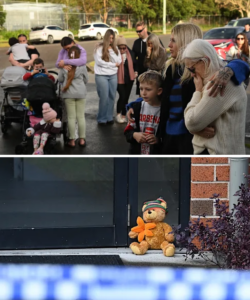
The public is left asking a fundamental question: How could a child from a family that had already been flagged by child protection services—receiving three separate visits over the course of his short, four-year life—remain in such a perilous environment? While the government’s move to order an independent review is a necessary step, it arrives far too late. In risk management, when warnings are not translated into urgent, decisive action, the system ceases to function as a “shield” and instead becomes a passive bystander to the tragedy it was meant to prevent.
The figures provided by Shadow Minister Natasha Maclaren-Jones—citing nearly 150,000 cases where children were reported but never seen by a caseworker—are nothing short of shocking. If accurate, these statistics reflect a systemic collapse rather than mere isolated errors. This highlights an urgent need to re-examine the balance between available personnel and the overwhelming volume of cases currently straining the Families and Communities department.
The Chasm Between “Complexity” and “Responsibility”
Authorities often categorize cases as “complex” to justify their delicate handling of sensitive information and to avoid prejudicing ongoing criminal investigations. However, complexity cannot serve as a veil for administrative negligence. A child does not succumb to such a fate in a family with a documented history of intervention if protective protocols are strictly and competently enforced. When a parent is suspected of suffering from drug-induced psychosis, their behavior becomes an volatile variable. Protecting a child in such circumstances demands a standard of professional assessment far higher than what appears to have been applied here.
The Demand for Comprehensive Transparency
Minister Kate Washington’s commitment to releasing the findings of the review, subject to legal constraints, is a necessary nod to public accountability. Yet, true transparency is not merely about reporting the facts of a failure; it requires the courage to acknowledge deep-seated structural flaws. A review will only be meaningful if it identifies the exact “bottlenecks” that allowed this tragedy to occur and, more importantly, ensures that other vulnerable children do not pay the ultimate price for bureaucratic inertia.
The death of this little boy in Wyong is not just a localized tragedy; it is a profound indictment of the New South Wales child protection apparatus. While criminal justice must take its course regarding the mother, a parallel demand for accountability must be placed on those responsible for the oversight of the system. Restoring public trust will require more than just rhetoric; it will require radical changes to how the system identifies and rescues the most vulnerable members of society.
SOURCE: 7NEWS
https://7news.com.au/news/crime/independent-review-ordered-into-tragic-death-of-four-year-old-boy-in-wyong-c-22538589