
In recent days, a heated debate has erupted online: who is truly the “bigger villain” in hip-hop — P. Diddy or Suge Knight? The conversation has been fueled by new allegations, resurfaced lawsuits, and documentary coverage surrounding Diddy, as well as Suge Knight’s long, well-documented history of violence and criminal convictions. As fans revisit decades of chaos, power struggles, and trauma in the industry, the comparison between the two men has taken over social media.
Sean “Diddy” Combs has faced a wave of accusations in 2024–2025, ranging from abuse and coercion to long-hidden misconduct. Multiple lawsuits, sworn statements, and investigative documentaries have amplified claims about his past behavior, prompting a broader reckoning around how much power he held and how that power may have been misused. While many allegations remain under investigation, the public conversation has already shifted dramatically.
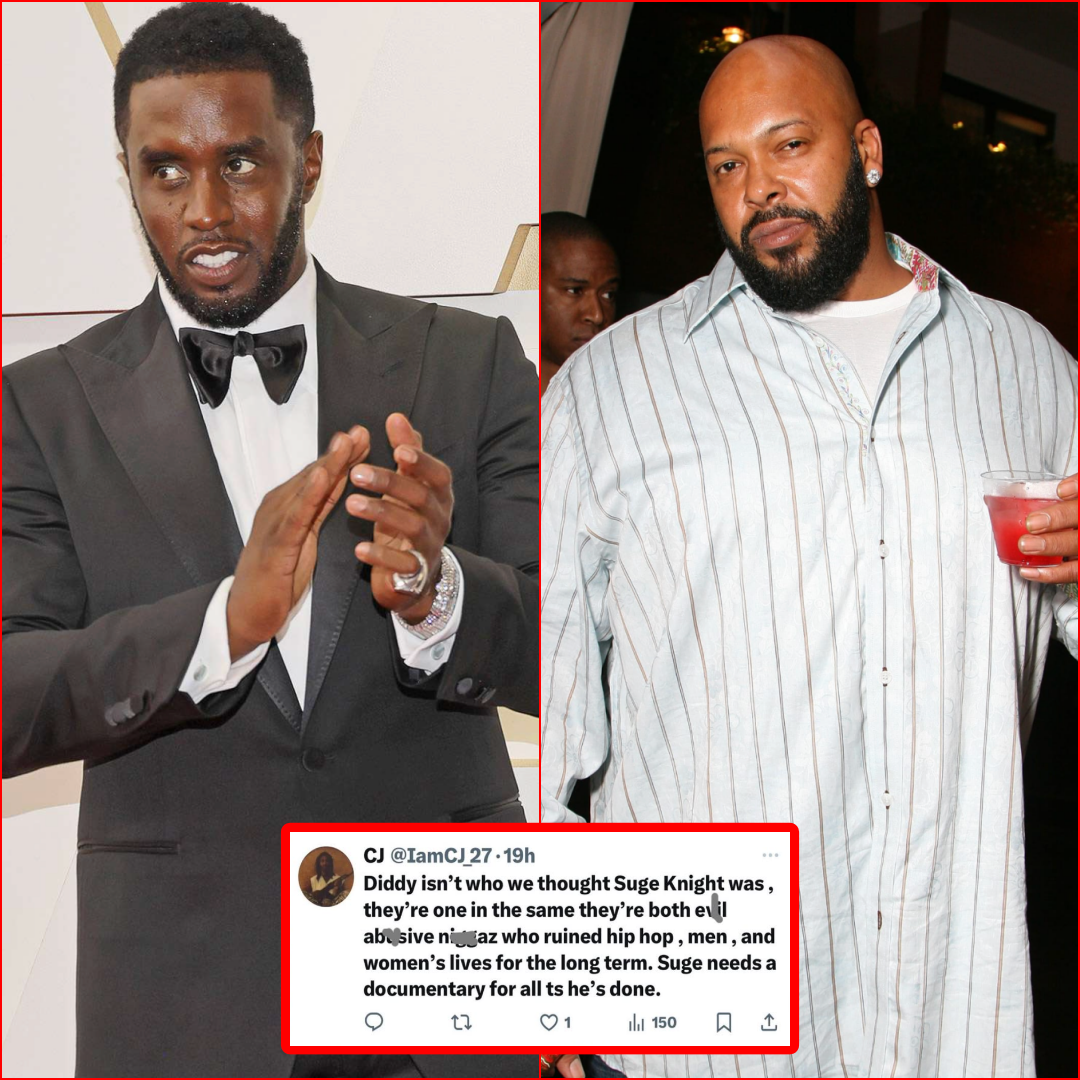
Suge Knight, meanwhile, has a criminal record that is widely known: links to gang activity, multiple assaults, parole violations, and the fatal 2015 hit-and-run that resulted in a long prison sentence. His reputation for intimidation and violence shaped entire chapters of West Coast hip-hop history. To many, Knight represented the dark, dangerous side of the music business long before Diddy’s controversies came to light.
Because their “notoriety” comes from different directions — one rooted in violence and criminal convictions, the other in allegations of exploitation and systemic abuse — fans are sharply divided. On forums and comment threads, people argue over who caused more long-term harm to artists and who left deeper emotional and cultural scars. One viral comment summed up the frustration:
“Diddy isn’t who we thought Suge Knight was — they’re the same. Both are €v!l, absive n*** who ruined hip-hop and destroyed men’s and women’s lives for years. Suge needs his own documentary for all the sh*t he’s done.”
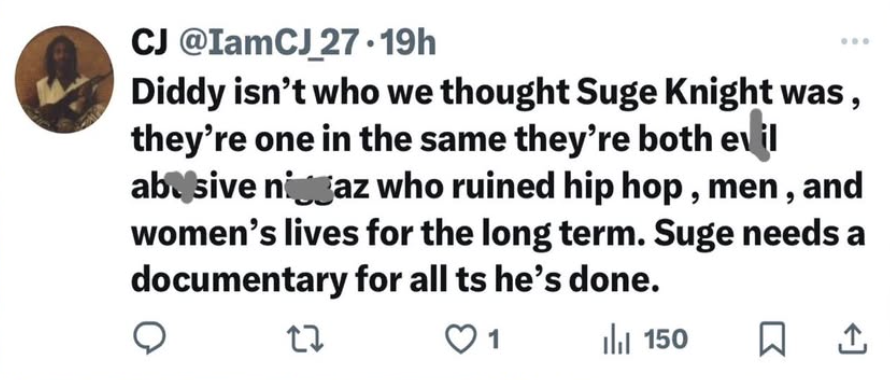
It’s important to note: these are fan opinions — raw, emotional, and reflective of a community grappling with betrayal and disillusionment. Allegations against Diddy are still being examined, while Knight’s criminal history is established. Comparing who is “worse” often depends on personal perspective, trauma, or the narratives people grew up with.
Ultimately, this debate reveals something larger: fans want transparency, accountability, and honest reckoning from an industry that has long hidden its darkest chapters. Whether one views Diddy or Suge as the greater villain, the public demand for truth — and for justice for those harmed — is louder than ever.
News

ME, MY SISTER BRITTANY, AND OUR MOM HAVE ALL BEEN SH0T… — Christian’s Terri:fying Words Reveal Utah Family Trag3dy That Left Mother De-:ad
Credit : GoFundMe (3) NEED TO KNOW On Monday, March 30, a Utah mother called 911 to report a fight between…

I HAVEN’T HEARD FROM HIM IN TWO DAYS… — Missing Mother’s Words Reveal Growing Fear as Search Intensifies in The Bahamas
(AP) – Police in the Bahamas said late Wednesday they have arrested the husband of a U.S. woman who was…
FINAL SCRE:AMS CAUGHT ON AIR…” — Utah Mom’s Terrifying 911 Call Reveals Family N!ghtmare Unfolding
A Utah woman made an agonizing call for help to 911 moments before her husband shot their whole family in a…

UTAH N!GHTMARE — Mother D3ad, Two Kids Fighting For Their Liv3s After Sh0cking Family Trag3dy
Credit : GoFundMe (3) NEED TO KNOW On Monday, March 30, a Utah mother called 911 to report a fight between…

UPDATE: POLICE ARREST HUSBAND AFTER WIFE VANISHES FROM BOAT IN THE BAHAMAS
Police in the Bahamas said late Wednesday they have arrested the husband of a U.S. woman who was aboard a…

🚨 SH0CKING U-TURN — Meghan Markle Suddenly Reverses Course… And Claims It’s “To Protect the Standards of the Monarchy”
Meghan Markle, who is the Duchess of Sussex, had previously hinted she was going to write more books, including her…
End of content
No more pages to load