Nearly five years after the death of Nipsey Hussle, the grief surrounding his loss remains as raw as ever — and a recent interview with his brother has brought those emotions rushing back into the spotlight.
On February 27, Blacc Sam appeared on The P-Nice Show, where he was asked a blunt and difficult question: would he rather see Eric Holder, the man convicted of killing Nipsey, locked up — or out on the streets?
Sam’s answer was immediate and unfiltered. He said he “one thousand percent” wished Holder had remained free, implying that justice would have taken a different form outside prison walls. His comments, delivered without hesitation, reflected a level of anger and heartbreak that time has clearly not erased.
The moment quickly circulated online, drawing strong reactions from fans and commentators. Some saw his words as an honest expression of a brother’s enduring pain. Others viewed them as a reminder of how deeply personal the tragedy still is for those closest to Nipsey.
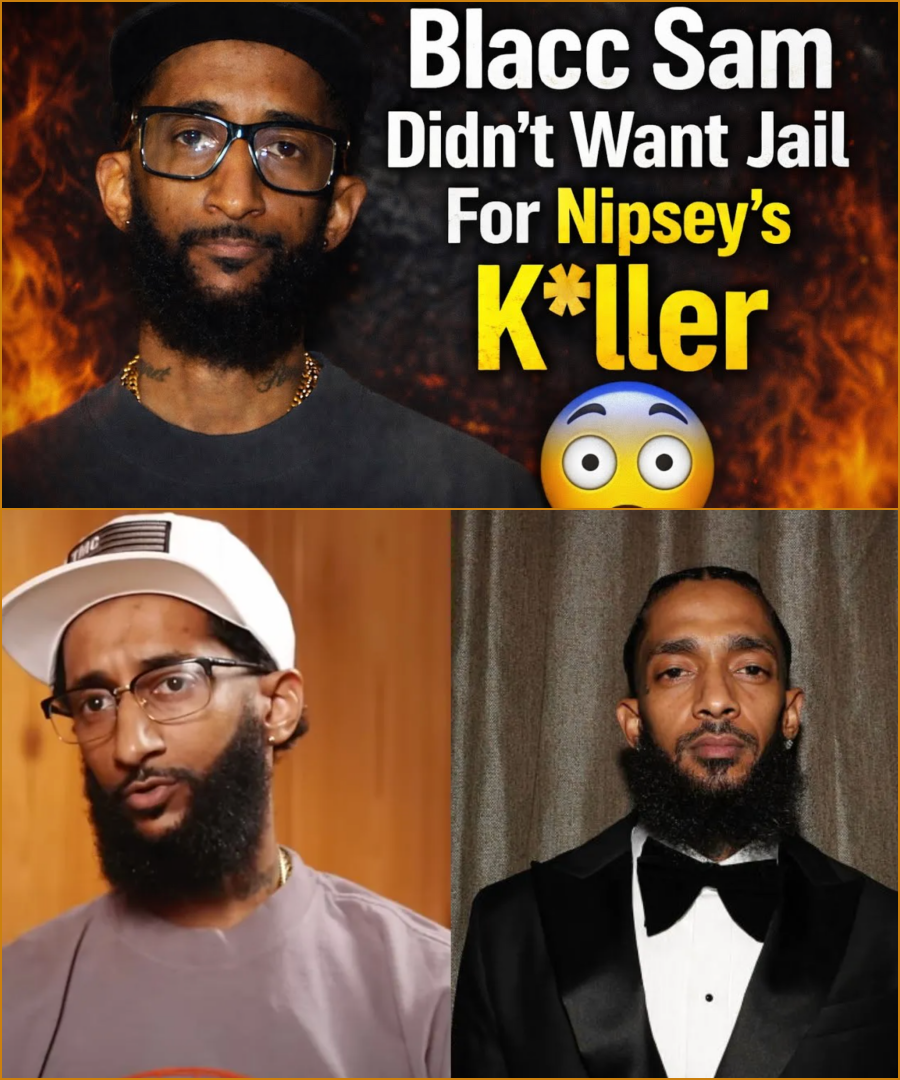
The history behind the case remains one of the most devastating chapters in modern hip-hop. In March 2019, Nipsey Hussle was shot and killed in the parking lot of his Marathon Clothing store in South Los Angeles. Prosecutors argued that Eric Holder carried out the attack after Nipsey allegedly confronted him over accusations of being a snitch. Holder was arrested days later.
In 2022, after a high-profile trial, Holder was convicted of first-degree murder and sentenced to 60 years to life in prison. The verdict brought a measure of legal closure, but it did not — and perhaps could not — bring emotional closure to Nipsey’s family.
For many, Nipsey was more than a rapper. He was a community figure, an entrepreneur, and a symbol of self-determination in South Los Angeles. His death sent shockwaves far beyond the music industry, sparking public memorials and tributes from artists, activists, and political leaders alike.
Blacc Sam has largely focused on preserving his brother’s legacy — overseeing business ventures, protecting Nipsey’s brand, and ensuring his message continues to resonate. Yet the interview revealed something deeper: beneath the business decisions and public appearances is still a grieving brother.
Grief does not follow a timeline. Court verdicts may conclude legal battles, but they do not erase memories, unanswered questions, or the emotional weight of violence. Sam’s comments, though controversial to some, underscore a truth that many families of victims understand: justice in a courtroom and justice in the heart are not always the same.
Years later, the loss of Nipsey Hussle remains an open wound. And in a few unguarded sentences on a podcast, the world was reminded that for his family, the pain has never truly faded.
News
🎤 TRAP LEGACY IN THE MAKING — T.I. Set to Produce Explosive New Documentary That Could Redefine the Genre
LOS ANGELES, CALIFORNIA – FEBRUARY 27: T.I. attends the 57th NAACP Image Awards Official BET Dinner at Grand Venue on…
THREE-WORD SHUTDOWN — Prince Harry ‘Stopped Cold’ as Prince William Drops Secret Code in Heated Clash
Royal brothers Prince William and Harry were once incredibly close but according to royal experts they have drifted apart in…
SH0CKING: Meghan Markle’s ‘Plan B’ Could Quietly Fade Prince Harry Out — Insider Claims…
Eric Roberts – older brother of Julia Roberts – has spoken out in praise of his former Suits co-star Meghan,…

A reconciliation that once seemed possible is now hanging by a thread… Prince Harry’s chances of repairing his relationship with King Charles III are reportedly being torn apart after a “furious outburst” behind the scenes
A royal expert states Prince Harry’s criticisms will not help any reconciliation efforts. Harry criticised Camilla in his book Spare (Image:…
Prince Harry is reportedly extending a surprising summer offer to King Charles III — a move many are calling a potential turning point after years of tension
Prince Harry has seen King Charles twice in the space of the past two years. Prince Harry pictured with King…
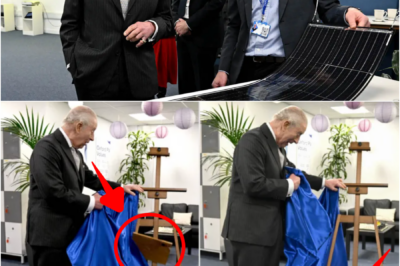
BREAKING TODAY: King Charles III Jokes About ‘Disaster’ After Knocking Down Plaque During Solar Company Visit — But One Moment Is Drawing Attention…
The unexpected moment came during the King’s visit to the Oxford Photovoltaics headquarters King Charles unveils a plaque at the…
End of content
No more pages to load