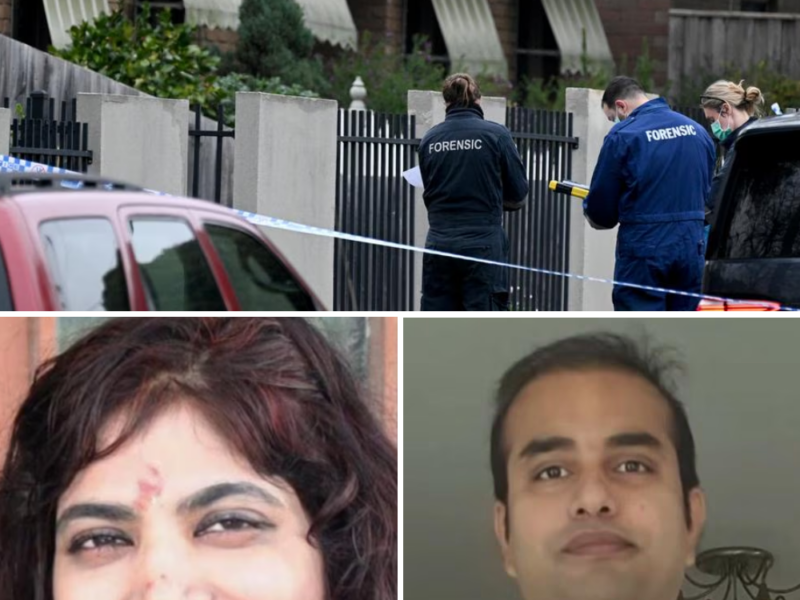
Tragedy behind closed doors: The peaceful facade of Vermont and the shocking truth that left neighbors stunned!
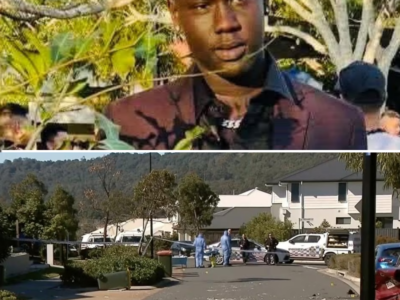
Vermont, a quiet suburb in Melbourne’s east, has long been viewed as a model of ideal family life—a place defined by peaceful cul-de-sacs, leafy streets, and an atmosphere completely removed from the urban bustle. Yet, on the night of July 7, the peace that residents took such pride in was shattered by a horrifying murder. With Srinivas Achanta, 39, now charged with killing his wife, Lavanya Achanta, inside their own home, the community is not only reeling from the atrocity but is also forced to face a grim truth: tragedy can lurk behind closed doors, entirely unnoticed.
The Paradox of “Privacy”

Public opinion often tends to fixate on descriptions of perpetrators and victims as “reclusive” or “private.” The admission from neighbors that the couple kept to themselves since moving in two years ago reflects not just a modern lifestyle, but sounds an alarm regarding the lack of social connection in today’s world.
Why does privacy—a fundamental right—become a barrier that prevents those around us from recognizing signs of instability? The “silence” of a neighborhood where everyone respects each other’s personal space can sometimes inadvertently create a wall that precludes support. In this case, the shock felt by local residents upon seeing forensic teams at the scene revealed a vast distance between the brutal reality inside the home and the external image the family presented. Maintaining absolute privacy can inadvertently become the perfect mask for simmering conflicts, eventually erupting and leading to a painful end for Lavanya Achanta.
The Children and the Silence After the Tragedy
One of the most haunting details of this incident is the presence of two children at the scene when the tragedy unfolded. While police confirmed they were physically “unharmed,” being found safe in a house filled with death and grief is only half the story. Psychologically, this safety is merely temporary. The trauma of losing a mother and witnessing a father taken away by law enforcement will leave deep, immeasurable scars. In cases of domestic violence, children are always the most invisible victims. Their presence in that house on the night of July 7 is a painful reminder that violence is not just the end of one life, but the destruction of the future for generations to come.
Legal Process and Social Responsibility
Srinivas Achanta’s appearance at the Melbourne Magistrates’ Court last Friday, flanked by strict security, marked the beginning of a lengthy legal process. With the 12-week adjournment requested by police to prepare the case and the next hearing set for November 13, justice will take time to follow its course. However, no sentence for the perpetrator, no matter how severe, can compensate for the loss of the 39-year-old woman or the mental trauma her children must now endure.
Cases like the one in Vermont are not merely family matters or an individual’s failure to control their behavior; they are a benchmark of how alert society truly is. If the safety of family members relies solely on silence and “not bothering” neighbors, that safety is incredibly fragile. This tragedy compels the community to reconsider our collective responsibility to care for those around us—not through idle curiosity, but through empathy and the willingness to intervene before “closed doors” become the scenes of irrevocable tragedies.
SOURCE: NEWS.COM.AU
https://www.news.com.au/national/victoria/courts-law/srinivas-achanta-charged-with-murder-after-wife-lavanya-achantas-death-in-melbourne/news-story/2a3c8be56ca7dd2ed397ada74bfee9f7