
Tragedy unfolded in southern Spain on January 18, 2026, as two high-speed trains collided in a catastrophic derailment near Adamuz, Córdoba province, claiming at least 39 lives and injuring over 245 people, including 15 in critical condition. The deadly crash—one of the worst rail disasters in Spain since 2013—sent shockwaves through the nation, with twisted wreckage, desperate rescues, and a baffled transport minister labeling it “truly strange.”
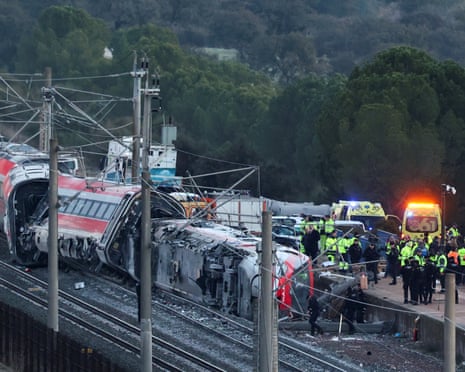
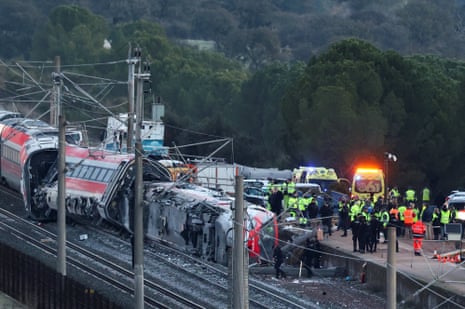
The horror began at approximately 7:45 p.m. local time (18:45 GMT). An Iryo high-speed train en route from Málaga to Madrid, carrying around 300–371 passengers, suddenly derailed on a straight, modernized section of track. Its rear three carriages veered violently across to the opposite line. Seconds later, they smashed head-on into the front of an oncoming Renfe train traveling south from Madrid to Huelva, with roughly 200 passengers aboard. The impact was devastating: the second train’s leading cars were hurled off the rails, plunging down a steep embankment amid a deafening crunch of metal, shattering glass, and flying debris.
theguardian.com
High-speed train crash in southern Spain leaves 39 dead | Spain …
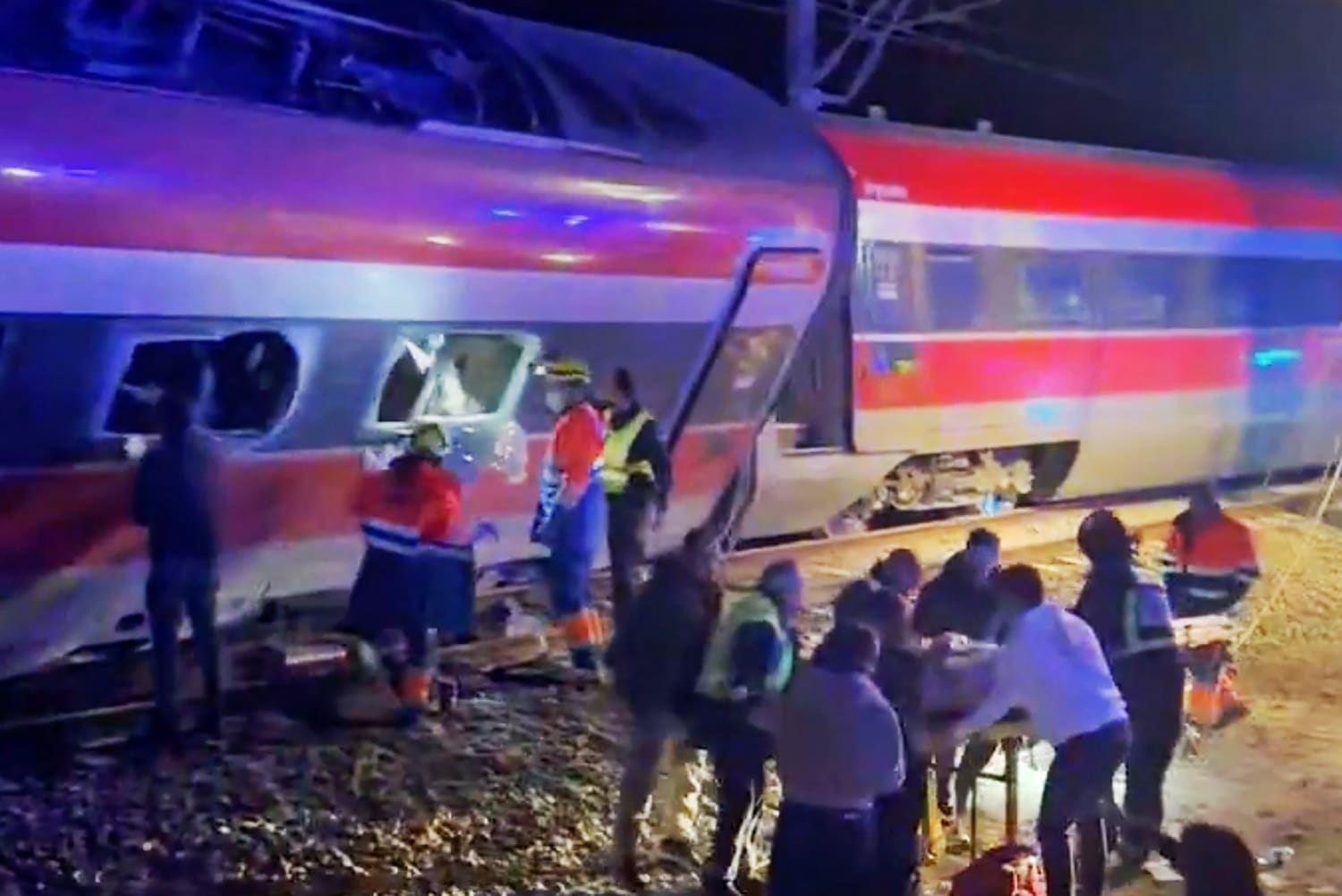
Survivors described pure chaos in the darkness—screams echoing, luggage tumbling, passengers using phone flashlights to navigate overturned carriages. One eyewitness recounted a violent jolt followed by “everything turning upside down,” while another, briefly trapped, heard the sickening collision and felt the train lurch sideways.
Emergency services swarmed the rural site near Adamuz within minutes. Firefighters, Civil Guard officers, paramedics, and search dogs worked under floodlights through the night. Helicopters airlifted the gravely wounded to hospitals in Córdoba and Seville, while cranes later arrived to lift mangled cars. Rescue efforts continued into Monday, January 19, as the death toll rose steadily from early reports of 21 to the confirmed 39, including at least one train driver.
theguardian.com
thehill.com
Transport Minister Óscar Puente, speaking at a late-night briefing, called the incident “extremely unusual” and “a truly strange” event. The track—part of Spain’s renowned AVE high-speed network—had been recently upgraded with a €700 million investment. No bad weather, signals issues, or obvious external cause was immediately apparent. “We don’t know yet why this happened on such a safe, straight stretch,” he said, vowing a thorough, independent probe by Adif (rail infrastructure authority), safety regulators, and possibly international experts.
Prime Minister Pedro Sánchez addressed the grieving nation, describing it as “a night of deep pain” and pledging full support for victims’ families. Andalusia’s regional president Juanma Moreno coordinated the massive response, while over 130 AVE services to southern cities were canceled the next day, crippling travel.
nbcnews.com

wunc.org
The crash has reopened painful memories of past rail tragedies and raised urgent questions about high-speed safety protocols, even on supposedly fail-safe lines. Psychologists supported traumatized survivors and relatives waiting anxiously at hospitals and makeshift centers. Forensic teams continued their grim work amid the wreckage as cranes cleared debris.
Spain now mourns dozens of ordinary lives—weekend travelers, families, commuters—snatched in an instant. The images of mangled steel, emergency lights piercing the night, and exhausted rescuers will haunt the country for years, as investigators race to uncover how modern technology failed so catastrophically on what should have been a routine journey.
News
DNA Test CONFIRMS: 50 Cent Reveals King Harris Isn’t T.I.’s Biological Son!
50 CENT DROPS DNA BOMB: CLAIMS KING HARRIS IS NOT T.I.’S BIOLOGICAL SON, EXPOSES TINY’S ALLEGED DARK PAST In the…
Nancy Guthrie Kidnapper’s De.adly Error: SWAT Commander Just Revealed Everything!
BREAKTHROUGH IN NANCY GUTHRIE KIDNAPPING: SWAT Commander Reveals Kidnapper’s Critical Mistake That Could Crack the Case TUCSON, Arizona — Nearly…
J. Cole Exposes Streaming: If You Didn’t Buy the CD, No Album Opinions!
J. Cole Ignites Debate: “If You Didn’t Spend $15.99 on the CD, Shut Up About the Album” NEW YORK —…
Young Thug & Chris Brown Shockingly Join Forces to Free Lil Durk Now!
Industry Voices Unite: Young Thug, Chris Brown Join Growing Call to Free Lil Durk as August Trial Looms CHICAGO —…
Anya Taylor-Joy & Lewis Hamilton Together in Ferrari Garage – What’s Really Going On?
Anya Taylor-Joy Stuns at Japanese Grand Prix: Spotted Alongside Lewis Hamilton in Ferrari Paddock, Sparking Wild Speculation Hollywood star Anya…
Sweet Heist Frenzy: Funniest Memes After 12 Tonnes of KitKats Vanish
Sweet Heist in the Shadow of Art Theft: 12 Tonnes of KitKat Bars Stolen in Daring European Cargo Robbery Just…
End of content
No more pages to load