Arrested. Accused. Broken — Until the President Revealed Who She Really Was…
The handcuffs bit deep into her wrists.
Agent Harper sat alone in the interrogation room — four concrete walls, one metal table, one flickering light overhead. The air smelled like iron and bleach. Her reflection stared back from the one-way mirror, pale and still, except for the steady rise and fall of her chest.

The clock on the wall ticked louder than her heartbeat.
Across from her, two federal officers flipped through a file stamped CLASSIFIED in red ink. Their faces were hard, their patience thinning.
“You forged clearance codes to enter the Pentagon, didn’t you?” the older one barked. “You bypassed six levels of national security. That’s espionage.”
Harper didn’t move. A trickle of blood ran down her chin from the split in her lip — a souvenir from when they’d slammed her into the car outside the Defense building.
The younger officer slammed her file shut. “Fake credentials. Fake name. Fake medals. Who are you really, Harper?”
Silence.
Then, with a sneer, the older one tossed her ID across the table. It skidded to a stop by her cuffed hands.
“You really thought we wouldn’t check? The real Agent Samantha Harper died three years ago in Afghanistan. We have the death certificate.”
The room went still.
Harper lifted her head. Her eyes — cold, calculating, unmistakably military — locked on his. When she spoke, her voice was quiet, but it carried weight.
“Did she?” she asked softly.
The agents exchanged a glance. Something in her tone unsettled them.
Before anyone could press further, the steel door burst open so hard it slammed into the wall. A rush of black suits flooded the room — Secret Service, earpieces crackling, hands on weapons.
“Everyone stand down!” one shouted.
“This is a restricted—” the older agent started, but his voice faltered as the President of the United States stepped into the room.
For a moment, time stopped.
Every agent froze mid-motion. Even the air seemed to tighten as the Commander-in-Chief strode forward — face carved in anger, eyes burning with something more than fury. Something personal.
“Who authorized this?” he demanded, voice echoing like thunder. “Who the hell put her in chains?”
The interrogators scrambled for words. “Sir, we— we were told she was an imposter, a security threat—”
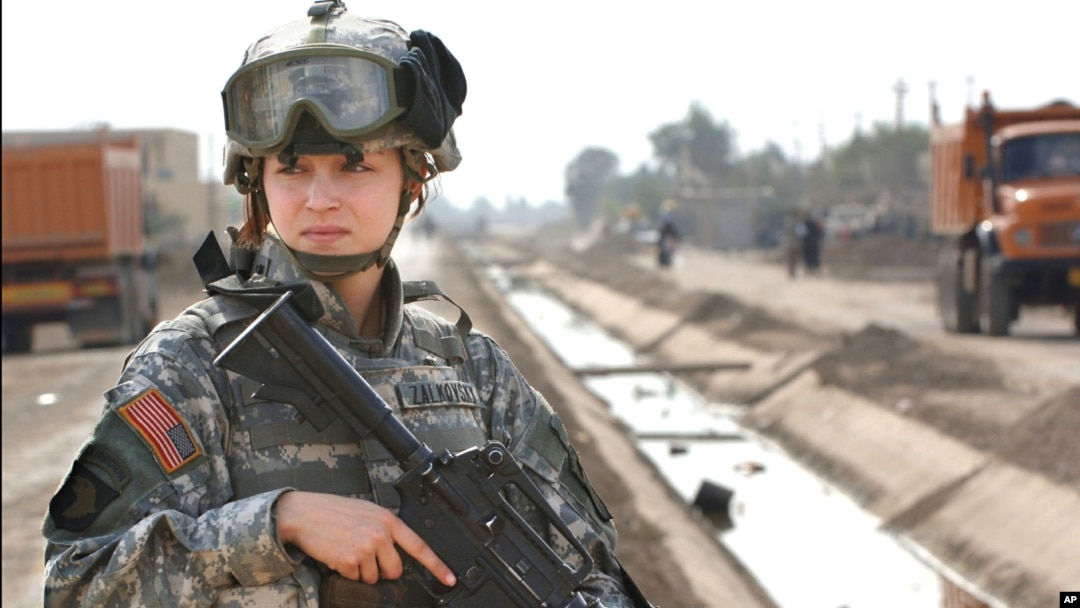
The President’s glare cut through them like a blade. “A threat?” His voice rose. “You have no idea who you’re talking to.”
He stepped closer to Harper. The harshness in his eyes softened for just a heartbeat — enough for the agents to see something like recognition. Then, with a quiet tremor in his voice, he said,
“Release her. Now.”
The agents hesitated. One of them stammered, “Sir, we can’t just—”
“I said now!” The word cracked through the air like a gunshot. “She’s the reason any of us are still alive!”
The cuffs clattered to the table.
Harper flexed her wrists, the red marks vivid against her pale skin. She didn’t thank him. She didn’t need to. The President already knew.
He turned toward the stunned agents. “You want to know who she is?” His tone dropped low — heavy, haunted. “She’s Operation Phoenix. The one ghost every enemy we’ve ever had still fears.”
The agents blinked, confused. The name was myth. A story whispered in black sites and war rooms — about a covert operative who had died saving the President’s extraction convoy from a bioweapon strike in Kabul. The reports had been scrubbed, the mission sealed. Everyone involved was dead.
Or so they’d believed.
Harper stood slowly. “That file you have,” she said, nodding toward the table, “isn’t mine. It’s bait.”
“Bait?” one of the interrogators whispered.
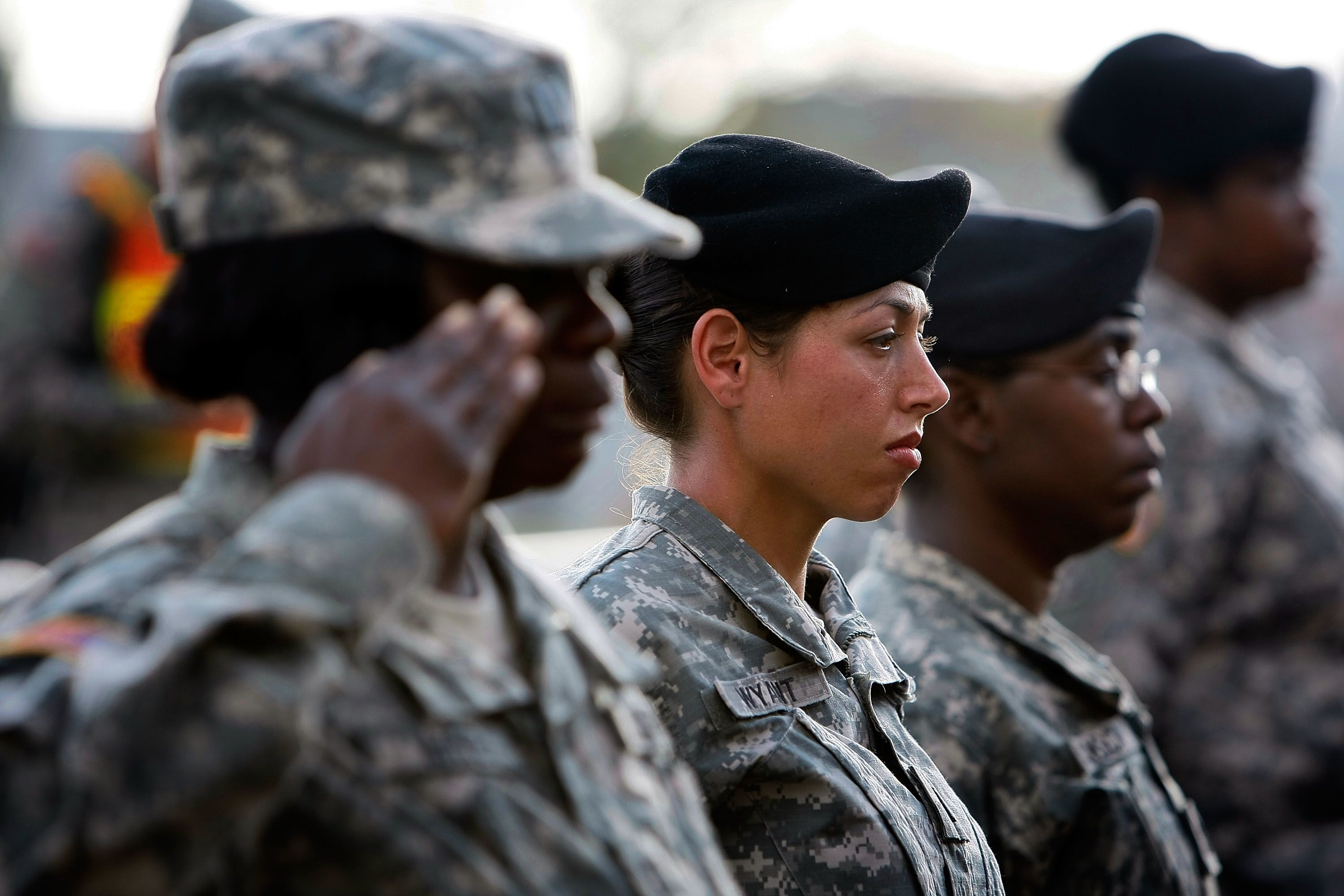
She met his gaze. “They wanted me found. Someone’s reopening Phoenix.”
The President’s jaw tightened. “That’s impossible. The program was buried.”
“Not deep enough,” Harper replied. “And if I’m right… they already have the virus.”
The room went silent again — not the silence of confusion, but the silence of dread.
The President stepped closer, lowering his voice. “Then we don’t have much time.”
“No,” Harper said, eyes steady. “We don’t.”
She picked up her broken ID, wiped the blood from her lip, and turned toward the door. The agents moved aside instinctively. The President fell in step beside her, already issuing orders to his security detail.
Outside, the hallway blazed with flashing red lights as sirens erupted through the Pentagon. Somewhere deep below, emergency protocols were activating — ones not used since the Cold War.
And as Harper walked free, the monitors in the interrogation room flickered to life, displaying a line of encrypted code that hadn’t been seen in a decade.