The Phone That Has the Internet on Fire — But Is It Real?
In the past few weeks, one phrase has been exploding across social media, tech forums, and YouTube thumbnails: “Tesla Pi Phone 2026.” Paired with Elon Musk’s name and a shockingly low rumored price tag of $153, the idea alone has been enough to ignite global hype — and fear.
But before the tech world declares Apple’s downfall, one crucial fact must be stated clearly: Tesla has not officially announced a smartphone. What exists so far is a storm of speculation, concept designs, leaks of uncertain origin, and a public fascination with what could happen if Elon Musk ever decided to enter the smartphone market.
Still, history shows one thing: when Musk does enter an industry, he rarely plays by the old rules.
Why the “Tesla Phone” Idea Won’t Go Away
Elon Musk has already disrupted multiple industries once considered untouchable.
• Tesla reshaped electric vehicles
• SpaceX challenged government-dominated space travel
• Starlink redefined satellite internet
• Neuralink blurred the line between humans and machines
So when rumors suggest Musk could take on Apple, Samsung, and Google, people pay attention.
What fuels the speculation is Musk himself. He has openly criticized Apple’s App Store fees, hinted at building alternative ecosystems, and repeatedly emphasized the need for vertical integration — hardware, software, connectivity, and energy all under one umbrella.
A Tesla-branded smartphone would fit perfectly into that philosophy.
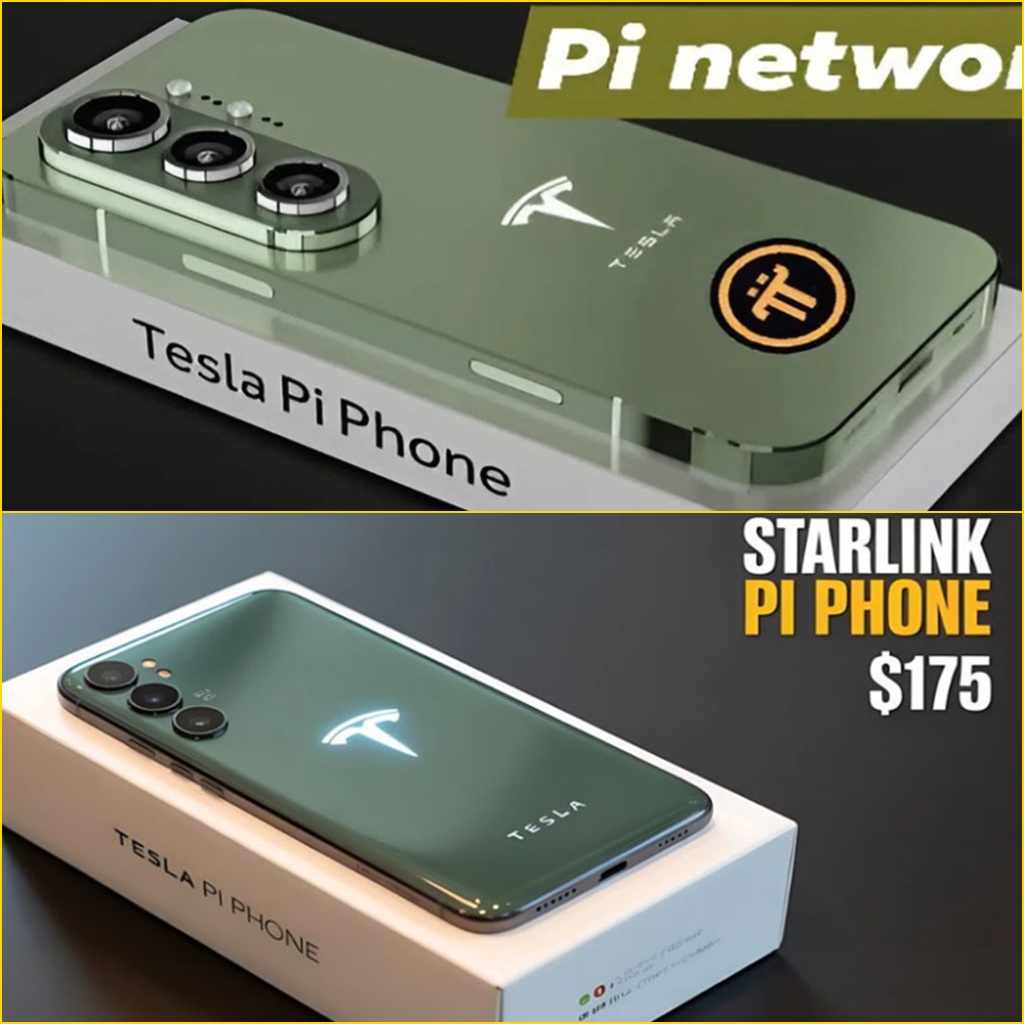
The $153 Shock: Disruption or Fantasy?
The most jaw-dropping claim tied to the Tesla Pi Phone rumor is its alleged $153 price point. If true, that would undercut not only iPhones, but nearly every premium Android device on the market.
Skeptics argue this number is unrealistic, especially given rising chip costs and supply chain pressures. Supporters counter with one bold idea: Tesla wouldn’t play by traditional smartphone economics.
Instead of profit-per-device, Tesla could:
Subsidize hardware to grow its ecosystem
Integrate the phone with paid services (Starlink, Tesla software, AI tools)
Treat the phone as a gateway, not a product
If that strategy sounds familiar, it’s because Amazon, Google, and gaming consoles have done it before — just not at this scale.
Features That Sound Like Science Fiction
Unverified leaks and concept creators have painted a picture of what a “Tesla Pi Phone” might offer if it ever becomes real:
• Starlink connectivity — direct satellite internet without cell towers
• Solar-assisted charging — limited but symbolic energy independence
• Deep Tesla car integration — full vehicle control from the phone
• X (formerly Twitter) as a core platform, not just an app
• AI-first design, potentially tied to Musk’s AI ambitions
To be clear: none of these features are confirmed. But they highlight why the idea is so powerful. This wouldn’t just be another phone — it would be a statement.
Why Apple “Should Be Terrified” — Even If the Phone Never Launches
Apple’s strength lies in its ecosystem: iPhone, iCloud, App Store, AirPods, Apple Watch. Users don’t just buy a phone — they buy into a lifestyle.
Musk understands ecosystems better than most. Tesla owners already live inside one, spanning vehicles, software updates, energy products, and soon AI-driven services.
Even the threat of a Tesla phone pressures Apple in three key ways:
App Store scrutiny — Musk has been vocal about platform control
Connectivity innovation — Starlink changes the rules
Public narrative — Musk excels at shifting attention overnight
In the tech world, perception often moves markets faster than products.
The Truth Behind the Hype
As of now, the Tesla Pi Phone remains a rumor, not a product. There are no official specs, no launch date, no pricing confirmation, and no statement from Tesla acknowledging its existence.
Yet the obsession itself reveals something deeper: consumers are hungry for disruption. Many feel smartphone innovation has stalled, prices have climbed too high, and ecosystems have become too restrictive.
Elon Musk represents the opposite of that stagnation — unpredictability, risk, and reinvention.
So What Happens Next?
Three scenarios seem most likely:
The phone never exists — and remains a legend of internet hype
Tesla eventually launches a phone, but years later and very different from rumors
Apple and rivals adapt, borrowing ideas sparked by the speculation
No matter which path unfolds, one thing is already clear: the conversation alone has shaken the industry.
Final Thought: Reality or Mirage?
The Tesla Pi Phone may never arrive in 2026. It may never cost $153. It may never exist at all.
But the fear it has triggered in Big Tech — and the hope it has sparked among consumers — is very real.
And in Elon Musk’s world, sometimes the idea itself is the disruption.
News

NO ONE SAW THIS COMING…: Gia Fleur Goes Public With New Romance — The Easter Getaway That Changes EVERYTHING
Gia Fleur has a new man, and she’s happier than ever. The Married At First Sight bride went Instagram official with…

I THOUGHT IT WAS THE END: Surfer Mauled by Shark in South Australia — But the Hidden Twist Behind His Survival Is Sending Chills Everywhere
A young surfer has told of his terror as he realised a shark had grabbed his foot and knocked him…

LIVE TV MELTDOWN: He Shouldn’t Have Said That… — Aussie Billionaire’s Bru-tal Comment Stuns Channel Seven Presenter
Billionaire Gerry Harvey has left Channel Seven’s Emma Freedman gasping in shock after dropping the F-bomb on live TV on…

EXECUTION OVER A CHAIN: Chicago’s “Top G” Kevin ‘Tugg’ Watson Gu-nned Down LIVE on Facebook in South Austin
The killing of Kevin “Tugg” Watson on August 13, 2025, remains one of the most disturbing and widely discussed incidents…

EXECUTED ON CAMERA: The Sh0cking Truth Behind the Facebook Live K!lling of Tugg Watson Revealed
What Really Happened to Tugg Watson? The tragic death of Tugg Watson sent shockwaves across social media and beyond, not…

DOUBLE DISASTER: Sydney Royal Easter Show Rocked by Back-to-Back Incidents — Visitors Left H0RRIFIED
Two terrifying incidents have unfolded in front of shocked crowds at the Sydney Royal Easter Show within hours of one another. More than 80,000…
End of content
No more pages to load