Sh0cking Bodycam Video Shows Suspect Not Handcuffed in Early Moments of Henry Nowak Case, Sparking Fresh Debate Over Police Response
Bodycam Transcript Reveals Moment Henry Nowak’s Killer Was Arrested on Suspicion of Attempted Murder
Newly released bodycam footage and transcripts have captured the exact moment Vickrum Digwa was arrested on suspicion of attempted murder following the fatal stabbing of 18-year-old Henry Nowak. In the recording, Digwa appears shocked when officers inform him he is being detained, repeatedly questioning the decision and insisting he was the victim of a racial attack. The exchange has reignited criticism of the police response on the night of the incident, with some politicians highlighting what they see as unequal treatment between the suspect and the dying teenager.
The interaction took place as paramedics worked desperately nearby to save Henry, who had been stabbed multiple times. According to the transcript, when officers told Digwa it was important and formally arrested him on suspicion of attempted murder, he responded by saying he was “tired.” The officer persisted, telling him, “Okay, it’s important, mate. At this time, I’m arresting you on suspicion of attempted murder, okay?” Digwa’s immediate reaction was one of disbelief. “What do you mean, attempted murder? Why am I getting arrested?” he asked.
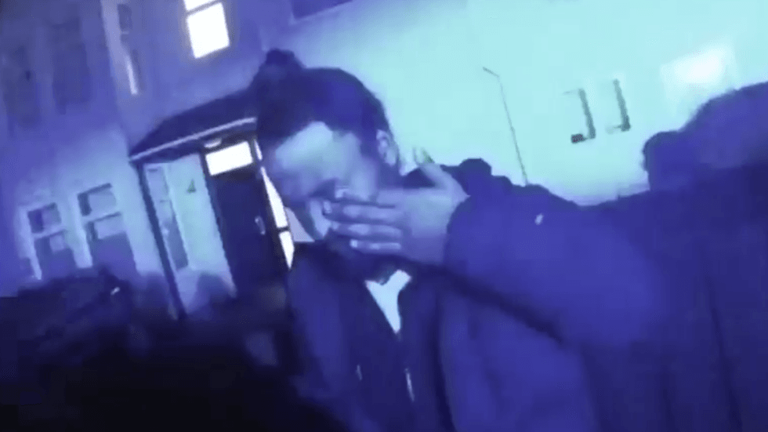
The officer attempted to explain the situation calmly, stating, “You’ve got your side of the story, mate. We don’t know what’s gone on here, okay? So we need to find out, okay?” Digwa continued to maintain his version of events, reiterating his claim that he had been “racially attacked.” The officer replied in a reassuring tone, “I know, mate, I know. I’m not saying you’ve done anything, mate.” The exchange has drawn significant attention for the apparent sympathy shown toward Digwa at a time when Henry lay seriously injured nearby.
Shadow Home Secretary Criticises ‘Shameful Difference’ in Treatment
Shadow Home Secretary Chris Philp has strongly criticised what he described as the “shameful difference” between how Digwa and Henry were treated by officers at the scene. Philp suggested that the police response reflected broader issues within policing, claiming it was “hardly surprising when police officers are constantly drilled with extremist ideology that tells them to treat white people worse.” His comments have added fuel to ongoing debates about policing standards, impartiality, and the handling of incidents involving conflicting accounts from those present.
The latest transcripts form part of a growing body of evidence being examined in the wake of Henry’s death. The 18-year-old had repeatedly told officers he had been stabbed, yet it took eight minutes for them to discover the fatal wound despite his pleas. Earlier this week, further details emerged showing that Henry informed officers of his injuries nine times before they realised the severity of his condition. It was only when officers noticed he was no longer breathing that alarm bells were properly sounded and resuscitation efforts intensified.

The Fatal Night and Conflicting Accounts
The confrontation between Henry Nowak and Vickrum Digwa took place in December 2025 in Southampton. Digwa, who was carrying a ceremonial Sikh sword, stabbed the teenager multiple times. In the immediate aftermath, Digwa told officers he had been racially attacked, claiming Henry had used slurs and pulled his turban. These claims appear to have influenced the initial police response, with Digwa being addressed in a notably familiar and reassuring manner by the arresting officer.
Bodycam footage previously released showed officers speaking to Digwa as medics tried to save Henry just yards away. Digwa complained about flashing blue lights bothering his eyes and continued to insist he was the victim. The newly highlighted transcript captures the formal arrest moment, where Digwa’s surprise at being detained for attempted murder is clearly audible. The officer’s repeated use of the word “mate” and reassurances that “I’m not saying you’ve done anything” have been seized upon by critics as evidence of differential treatment.
Meanwhile, Henry was reportedly handcuffed while bleeding heavily and struggling to breathe. Transcripts indicate that despite telling officers multiple times about the stabbing, it took a full eight minutes for the wound to be located. The delay has raised serious questions about the officers’ assessment of the situation and their focus in those critical early moments.
Broader Questions About Policing and Accountability
The case has sparked intense public debate about standards in policing, particularly in high-pressure situations involving potential violence and conflicting narratives. Chris Philp’s intervention has brought political dimensions to the discussion, with suggestions that training and institutional culture may be influencing how officers respond to incidents involving different demographics. While such claims remain highly contentious, the transcript evidence has provided ammunition for those calling for a thorough review of procedures.
The Independent Office for Police Conduct is investigating the officers’ actions on the night, including the time taken to identify Henry’s injuries and the overall handling of both the victim and the suspect. Hampshire Police has previously issued an apology to Henry’s family for aspects of the response, acknowledging that the teenager was not treated appropriately in his final moments.
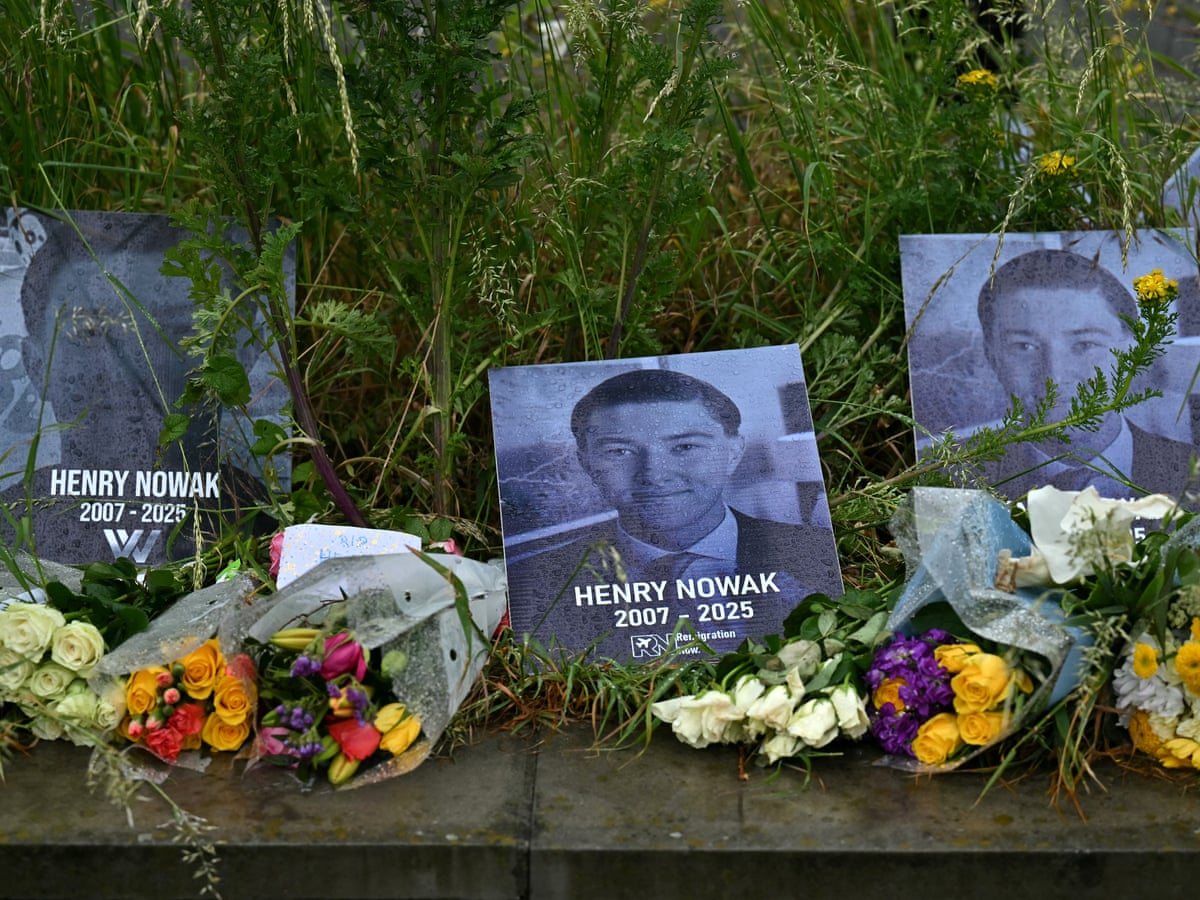
Henry’s death and the circumstances surrounding it have affected his family and the wider community deeply. The 18-year-old was described as a promising young man with his whole life ahead of him. The emergence of further transcripts has ensured the case remains in the spotlight, keeping pressure on authorities to provide answers and ensure accountability.

Ongoing Investigation and Calls for Reform
As more details from the bodycam footage and transcripts continue to surface, questions persist about how police officers prioritise information and assess threats in real time. The contrast between Digwa’s treatment – addressed reassuringly and arrested with apparent sympathy – and Henry’s – handcuffed while seriously injured and his claims initially dismissed – has troubled many observers.
Philp’s comments reflect a growing political conversation about the need for impartial policing free from what some describe as ideological influences. Supporters of the officers argue that they were dealing with a chaotic and confusing situation where accounts differed, while critics point to the transcripts as evidence of bias in the response.

The full investigation by the Independent Office for Police Conduct is expected to examine these issues in detail. In the meantime, Henry’s family continues to seek justice and answers about why it took so long to discover the extent of his injuries despite his repeated statements.
The case serves as a sobering reminder of the challenges faced by frontline officers and the importance of clear procedures, training, and accountability in maintaining public trust. As the transcripts reveal more about those crucial moments at the scene, the focus remains on learning lessons to prevent similar tragedies in the future.
For now, the words captured in the bodycam footage – Digwa’s surprise at his arrest and the officer’s sympathetic response – continue to fuel debate about fairness, policing standards, and the need for thorough examination of what happened on that December night in Southampton.