After many years away from the genre that defined his career, Noah Wyle returns to medical drama with The Pitt — but this is anything but an easy exercise in nostalgia. There is no romantic glow, no lofty speeches about medical ethics, and certainly no “ER 2.0.” The Pitt is heavy, tense, and at times suffocating — much like the way a real-life emergency room actually operates.
In The Pitt, Noah Wyle plays Dr. Michael “Robby” Robinavitch, a veteran ER physician in Pittsburgh. Robby is not the kind of central character who is always right, always composed. He is exhausted, hardened, and carries far more damage than idealism. The series makes no attempt to turn him into a hero — instead, it allows him to exist as a human being struggling to stay upright inside a brutal, under-resourced, high-pressure healthcare system.
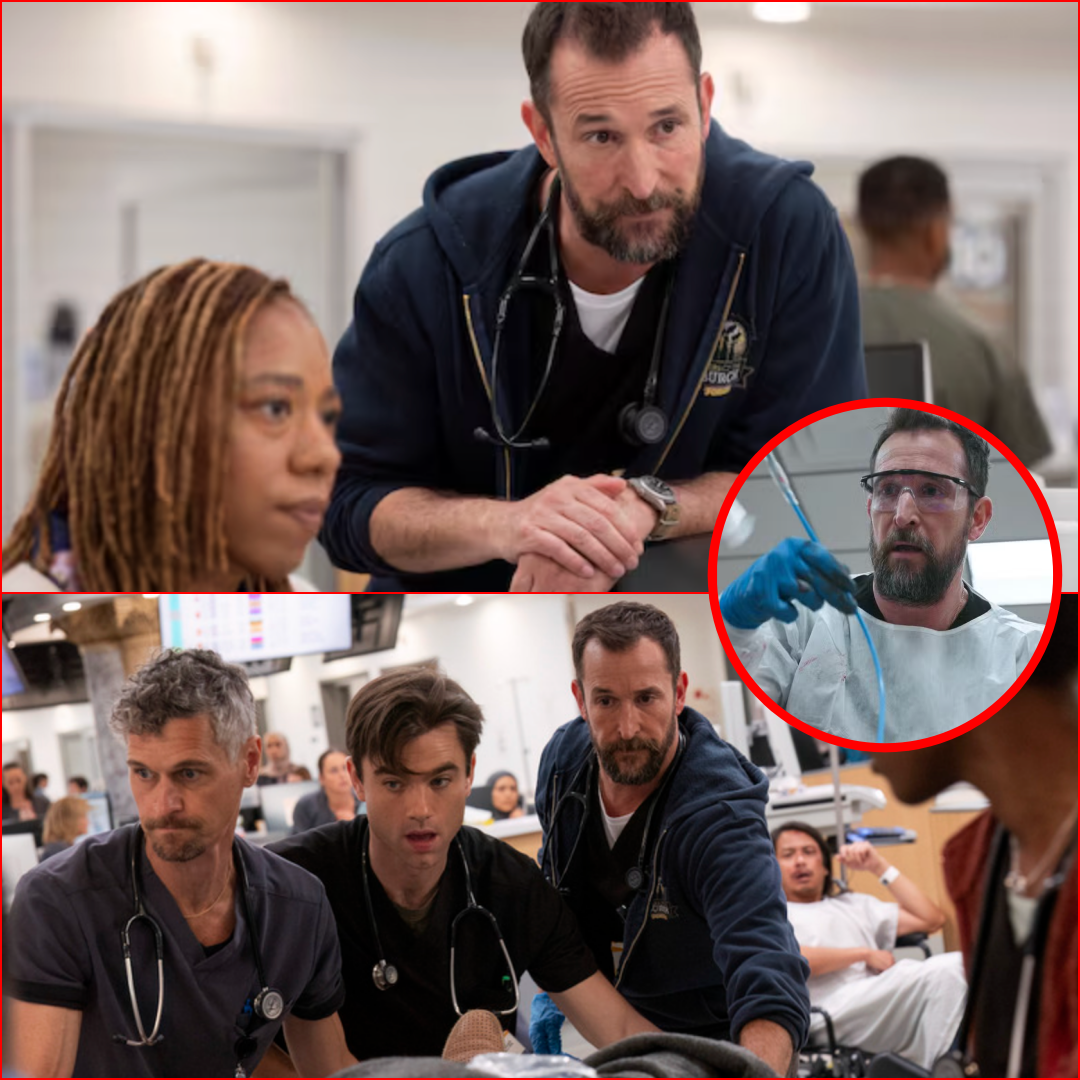
What sets The Pitt apart is its narrative structure. Each episode unfolds almost in real time, closely following a single emergency-room shift. There is no breathing room for the audience, no gentle edits to offer emotional relief. Viewers are dragged into the relentless rhythm of life-and-death decisions, where every second of delay can cost a life. This creative choice gives the series its raw authenticity — and at times, makes it deeply exhausting to watch.
Noah Wyle is the soul of the series. After decades of acting, he delivers a performance that is mature, restrained, and weighted with experience. Robby doesn’t need long monologues to convey the pressure he’s under. Through a glance, a pause before a difficult call, or the moment he collapses onto a hospital hallway floor after a failed case, the audience feels the erosion this profession inflicts. This is not a performance designed to shock — it’s one that lingers.
The Pitt also refuses to shy away from the most uncomfortable realities of modern medicine: overcrowding, staffing shortages, bureaucratic pressure, and the long-term psychological toll on healthcare workers. The show offers no simple solutions and makes no attempt to lecture its audience. Instead, it places viewers at the center of the storm, forcing them to witness what happens when people are pushed beyond their limits.
That said, The Pitt is not without flaws. For some viewers, its relentless pacing and emotional density may feel overwhelming. Certain episodes stack too many social issues into a single shift, compressing the emotional arc to the point of suffocation. But for those seeking honesty rather than comfort, this intensity becomes the show’s greatest strength.
What ultimately distinguishes The Pitt from the sea of medical dramas is its refusal to romanticize the profession. There are no glossy tributes, no clean victories. Only people who return to work the next day knowing they may fail again, lose again, and burn out further. At the center of it all stands Noah Wyle — an actor once synonymous with the idealized doctor, now returning as a far more realistic, weary, and wounded version.
The Pitt is not a series to watch casually. It demands focus, patience, and emotional endurance. But in return, it delivers one of the rare medical dramas that leaves viewers staring at the screen with a quiet, unsettling question: have we asked too much of the people whose job it is to save our lives?
News
AFTER THE SHUN — Prince Andrew Reportedly Held Onto a Private Memento of Sarah Ferguson… One Detail Has Everyone Stunned…
As Andrew and Fergie continue to navigate the fallout from the Epstein files, a separate scandal of Fergie’s has again…
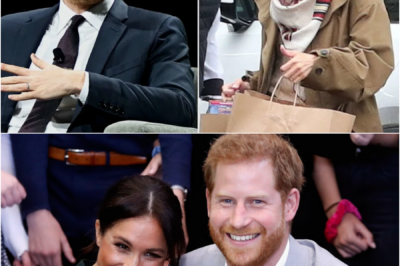
A SUBTLE SIGN OF LOVE — Meghan Markle Steps Out Wearing a Special Gift from Prince Harry… But One Detail Is Catching Attention
Hermès scarves were also a go-to for the late Queen Elizabeth. Prince Harry speaks at the International Association of Privacy…
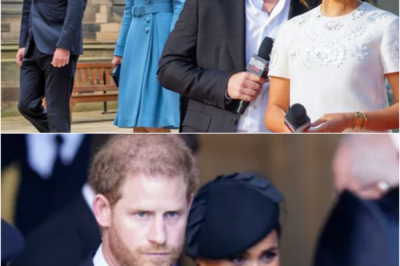
OVER MY D3AD B0DY! — Meghan Markle Reportedly Ready to Fight for Her Title… But A Royal Showdown May Be Closer Than Anyone Expected…
In a stunning and highly controversial interview that has sent ripples across the Atlantic and beyond, Meghan Markle has boldly…

RUM0RS EXPL0DE — YTB Fatt Reported D3ad… But A Sudden Post From His Brother Changes Everything
Rumors are swirling that the rapper was killed during filming of a song Rapper YTB Fatt is alive and unharmed…
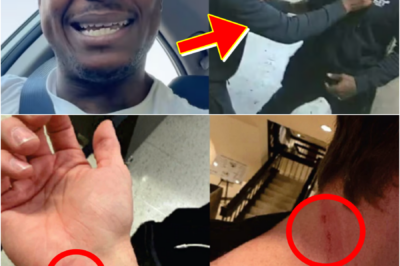
St*pid Sh*t — Woody SNAPS At Pooh Shiesty Over Gucci Mane Robbery Allegations… But His Words Spark Even More Drama…
The hip-hop world has been set ablaze after a heated reaction from Woody, who publicly called out Pooh Shiesty over…
FEDS EXPOSE MEMPHIS RAP ROBBERY PLOT — Pooh Shiesty, Big30 & 7 Others Named… But The Full Scope Is Still Unfolding…
A recent online discussion has captured widespread attention after rumors surfaced about a possible shooting incident involving a young rapper…
End of content
No more pages to load