The murder of Michael ‘Mike B.’ Brown shocked Detroit—but beyond the tragedy lies a question that refuses to go away: who benefited?
Brown wasn’t just another name in the city. He was a businessman, a community figure, and the face behind the growing “Sloppy” brand—an expanding food empire that had begun turning serious attention and money his way. His restaurants weren’t just popular—they were becoming cultural landmarks.
Then, in the early hours of a cold Detroit morning, everything changed.
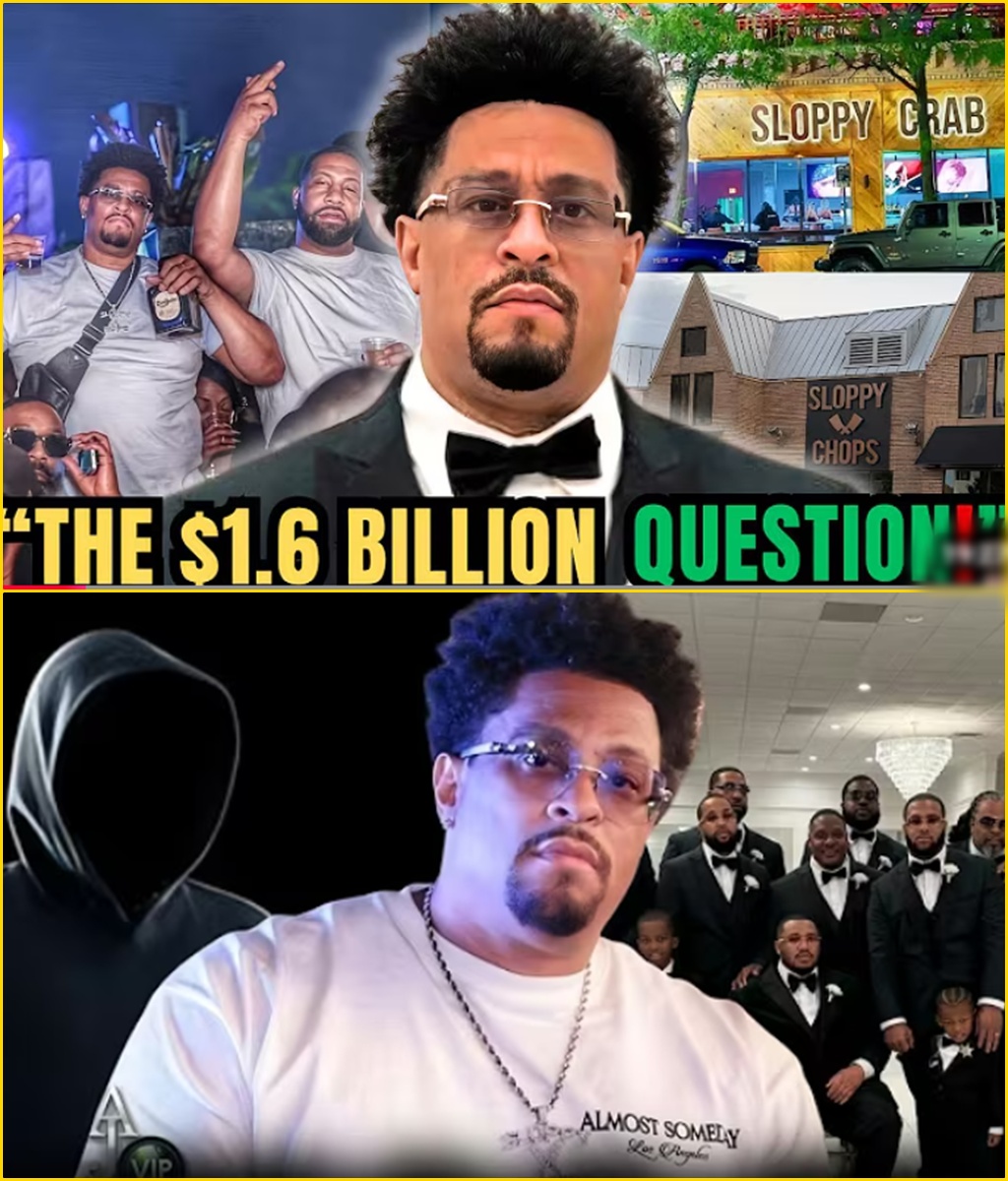
Around 4 a.m., outside a west-side after-hours spot known as Suite 100, gunfire erupted. Brown was killed. Two others were injured.
No arrests. No clear suspects. Just silence—and questions.
💰 FOLLOW THE MONEY
When people talk about motive in cases like this, they often point to three things: money, power, and control.
Brown’s businesses were growing fast. His brand had local dominance, and many believe he was on the verge of scaling even further—possibly into franchise territory or larger investments. While there is no confirmed figure publicly verifying a “$1.6 billion empire,” the narrative reflects something real: his trajectory was upward, and fast.
That kind of growth doesn’t happen quietly.
In cities like Detroit—where nightlife, real estate, and street influence often overlap—success can create tension. Ownership disputes, partnerships gone wrong, or even competition can all become pressure points.
And then there’s location.
🌃 THE NIGHTLIFE CONNECTION
Brown was killed outside what authorities and residents describe as an after-hours club environment, a setting already under scrutiny.
These late-night spots often operate in gray areas—where business, street presence, and security issues collide.
After his death, city officials and residents immediately began calling for stricter regulation on these venues, suggesting this wasn’t an isolated concern.
That raises another possibility:
Was this random violence… or something tied to the environment itself?
🧩 WHO BENEFITS?
Let’s be clear—police have not publicly identified a suspect or motive.
But in true crime analysis, people still ask:
Did business rivals gain from his absence?
Were there internal disputes or financial disagreements?
Did his growing influence make him a target?
Or was he simply in the wrong place at the wrong time?
Right now, there are no confirmed answers—only theories.
⚠️ THE REALITY BEHIND THE HEADLINES
It’s easy to turn a case like this into a conspiracy. Words like “money trail” and “who benefited” create a narrative that feels almost cinematic. But the truth is often more complicated—and sometimes more tragic.
What we do know is this:
A respected Detroit entrepreneur was killed in a violent shooting that is still unsolved.
His death has left a gap not just in business, but in the community he helped build.
🕊️ FINAL THOUGHT
Until investigators release more details, the “$1.6 billion question” remains just that—a question.
But one thing is undeniable:
When someone like Mike B. Brown rises fast, builds influence, and then dies suddenly, people will always look for a reason.
And sometimes… the truth is buried deeper than anyone expects.
News
HE WAS JUST WALKING TO WORK… — Chicago Contractor Sh0t De-ad Near United Center in Broad Daylight, Family Reveals Heartbreaking Final Moments
CHICAGO (WLS) — A Chicago contractor was shot and killed near United Center on Tuesday, his family told ABC7. Jerry Lewis…
“HE NEVER MADE IT HOME” — Beloved Contractor Gu-nned Down on Near West Side as Two Suspects Charged in Sh0cking Twist
Two men now face first-degree murder charges in the killing of 67-year-old Jerry Lewis earlier this week outside his Near West Side…
NO MORE HIDING — Protesters Confront Kyle Sandilands Outside Court as Sh0cking Past Emerges During $85M Lawsuit
Radio star Kyle Sandilands was heckled by sovereign citizen protesters as he left court following the first hearing of his landmark $85…

I Never Thought I’d See Him Again — Ines Basic Breaks Silence on Run-In With Sam Ball, And It’s More Awkward Than Ever
Ines Basic has revealed a shocking, chance encounter she had with Sam Ball years after their cheating scandal played out on Married At…
HE TRUSTED THE WRONG PERSON — Jaro City Lil Mikey Sh0t & K*lled by His Own Friend as Video F00tage Reveals Sh0cking Twist
The fatal shooting of Jaro City Lil Mikey has taken an even more unsettling turn following the emergence of alleged…
Witness Audi0 Allegedly Confirms Jaro City Lil Mikey Was Sh0t by Someone Close — Chi:lling Final Moments Leave Community in Sh0ck
The fatal shooting of Jaro City Lil Mikey has taken a disturbing new turn as alleged witness audio emerges, offering…
End of content
No more pages to load