WHAT MUSK AND TESLA ARE REVEALING ABOUT FULL SELF-DRIVING — Weeks From a Major De-adline, the Auto Industry Braces for a Groundbreaking Shift
🚗 What’s Happening — The FSD Deadline Is Looming
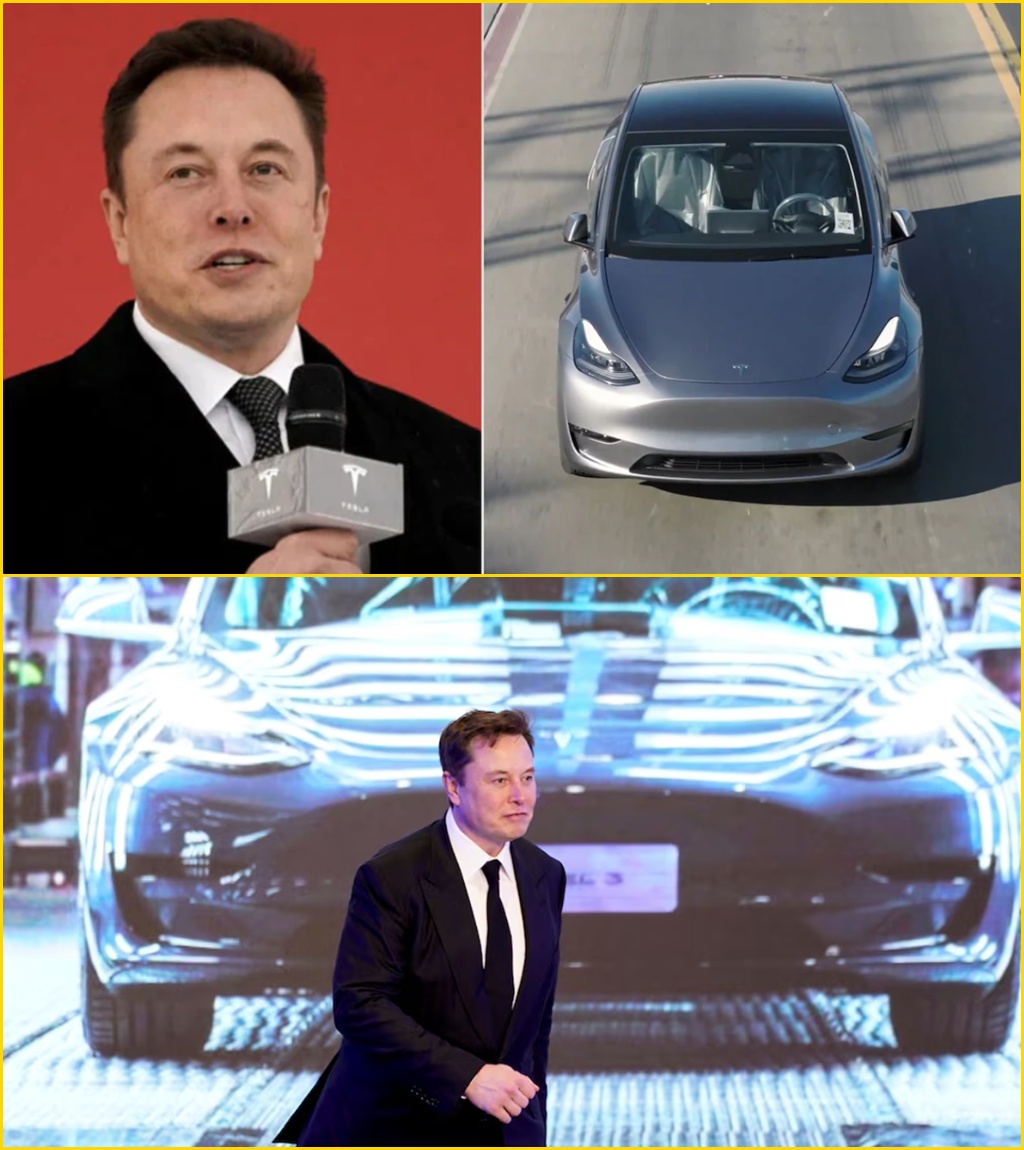
Tesla has once again thrust its Full Self‑Driving (FSD) software into the spotlight as it pushes toward a critical deadline at the end of the year. According to Musk and internal Tesla statements, the company aims to roll out unsupervised FSD — at least in some major U.S. cities — by year‑end.
The plan isn’t just about selling FSD as a “driver‑assist upgrade.” Tesla envisions a future where cars — without any human at the wheel — can operate as true robotaxis, shuttling passengers across urban areas with little to no human intervention.
At the same time, Tesla is working on regulatory approval for FSD in other markets, especially Europe. The company recently said it is targeting approval via the Dutch authority RDW by February 2026, a milestone that could unlock FSD (or at least a supervised version) across much of the EU.
But the regulators are pushing back — RDW clarified that, for now, February only marks a demonstration window, not a guarantee of approval. Safety standards still must be proven.
🧑💼 What Musk (and Tesla) Are Saying — Confidence, Urgency, and Challenge
Elon Musk has doubled down on the narrative that FSD isn’t just a “nice-to-have” feature — it’s the core of Tesla’s future. He argues that Tesla’s rivals are largely uninterested in licensing or using FSD, even though he claims it would give them a huge technological advantage: “When legacy auto occasionally reaches out, they tepidly discuss implementing FSD… with unworkable requirements.”
Tesla insists the technology is ready: recent updates (like FSD v12.5 and subsequent patches) have improved handling, decision-making, and driver‑assist features — the foundation Musk says will allow a “feature‑complete” unsupervised rollout.
Musk is also pushing forward globally: besides the U.S., Tesla anticipates regulatory approval cycles in China and Europe by early 2026.
For investors and Tesla fans, there’s urgency: the “robotaxi + FSD” thesis is seen as the company’s key long‑term value driver. If Tesla pulls this off, Musk argues, it could reshape not just Tesla’s business but urban mobility worldwide.
⚠️ The Stakes — Why This Deadline Matters (And Why Many Are Skeptical)
• Regulatory Pressure & Safety Concerns
FSD remains classified as a Level‑2 “driver‑assist” system under regulatory standards — meaning a human driver must remain alert and ready to take over at all times.
That classification is crucial. To gain wider acceptance (especially in Europe), Tesla must prove near‑human reliability or better — a tall order given past incidents, and ongoing scrutiny by safety authorities.
• Approval Uncertainty
Even with a “tentative” timeline for February 2026, regulators emphasize that approval depends on stringent compliance checks. The demonstration window doesn’t guarantee a rollout.
If Tesla fails to meet safety benchmarks or regulatory expectations, they may be forced to delay — possibly into 2026 or beyond.
• Real‑World Performance vs. Marketing Promises
Tesla’s historical promises around full autonomy have often been met with delays. While FSD improvements have been significant, many critics argue the gap between Tesla’s marketing language and actual performance remains large.
Independent analysts note that “hands‑off” AI driving is still experimental, and even under the best conditions human drivers outperform current unsupervised systems — especially in unpredictable urban environments.
• Market Reactions and Competition
Tesla stock and investor confidence are tightly linked to the success of FSD. Should Tesla fail to deliver or face fresh controversies, the fallout could be serious.
At the same time, competitors — some working with Lidar, others with alternative AV architectures — may leapfrog Tesla if FSD deployment stalls or proves unsafe.
🧐 What to Watch in the Coming Weeks
December 2025 (U.S.): Will Tesla actually roll out unsupervised FSD to Robotaxi fleets (e.g. in Austin, or other cities)? Keep an eye on user reports, regulatory feedback, and any incidents.
February 2026 (Europe): The scheduled demonstration with RDW. If Tesla fails to meet safety benchmarks, expect delays or stricter regulations.
Early 2026 (China and other markets): Tesla’s push for global expansion hinges on regulatory wins — and success elsewhere could shift global dynamics in EV/autonomy race.
Competitor moves: Watch what legacy automakers or new autonomous‑vehicle firms do. If they start gaining regulatory green lights with safer, more conservative AV systems, Tesla’s head start could be eroded.
🔮 What This Means — For Drivers, Industry, and the Future of Mobility
If Tesla delivers on unsupervised FSD by year‑end and achieves global regulatory approvals in 2026, we could be witnessing one of the most profound shifts in automotive history. Mass‑market robotaxis, fewer human‑driven vehicles, lower accident rates (if done right), and a drastic change in how cities handle transportation.
But if Tesla stumbles — fails to prove safety, faces regulatory pushback, or suffers a major incident — the backlash could set autonomous driving back years. It could lead to stricter regulations across the board, diminished investor confidence, and a long pause in mass deployment of AV tech.
In short: for Tesla, for Musk, and for all of us watching — the next few months may decide whether self‑driving becomes real, or remains a dream.