‘I WASN’T READY FOR THAT ENDING’ — RICHARD GADD BREAKS SILENCE ON HALF MAN FINALE AS FANS DISCOVER ITS HEARTBREAKING HIDDEN MEANING
WARNING: Major spoilers for the finale of Half Man
Few television finales in recent memory have left audiences as emotionally shattered as the ending of Half Man.
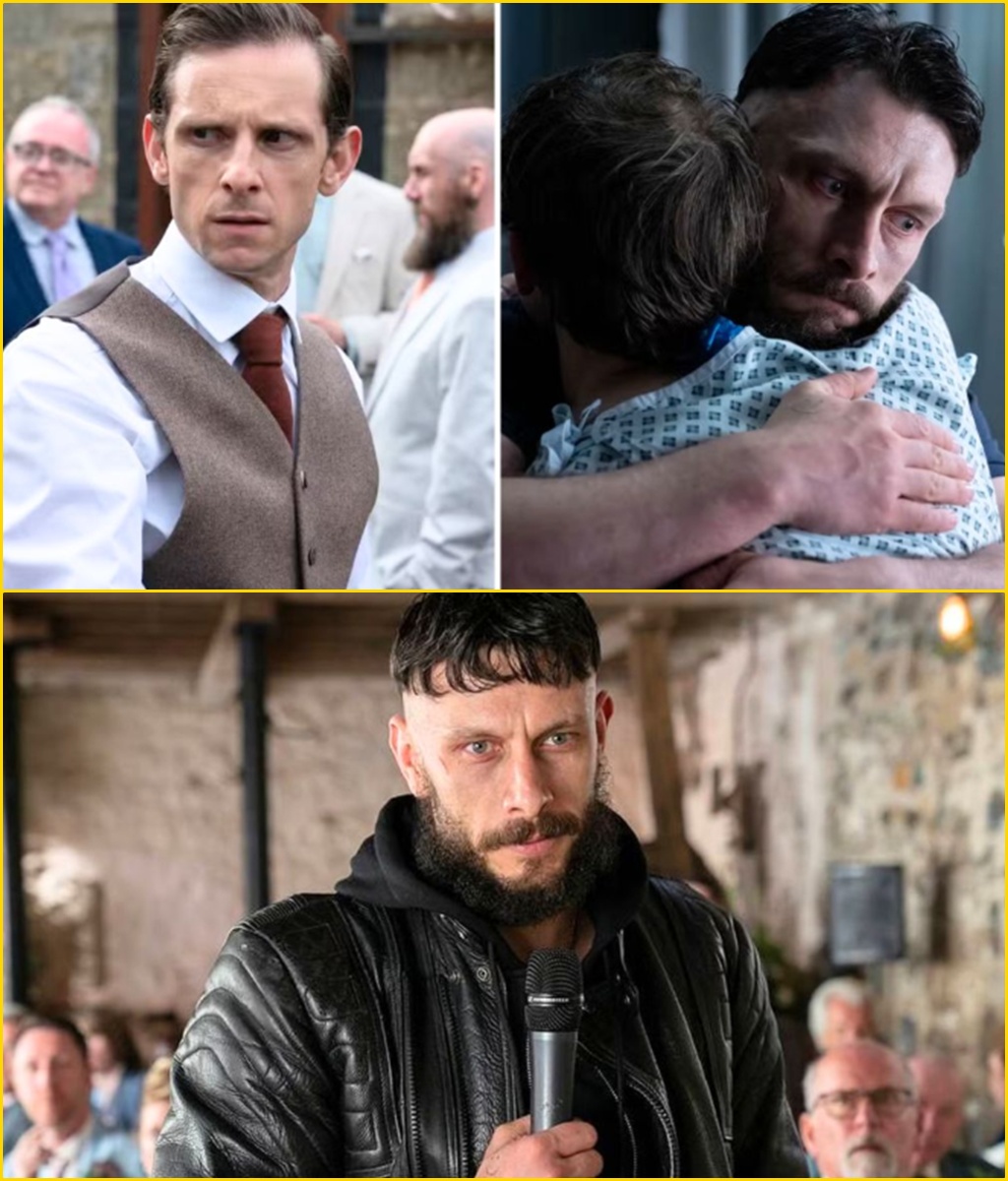
For four episodes, viewers watched the painful, decades-long relationship between Ruben and Niall unravel through betrayal, repression, anger, longing, and unimaginable emotional wounds. But nothing could have prepared fans for the devastating final confrontation that brought Richard Gadd’s dark psychological drama to its tragic conclusion.
Now, Gadd is finally opening up about the finale that has sparked endless debate across social media—and his explanation may be even more heartbreaking than the ending itself.
The Brutal Final Moments That Changed Everything
The final episode builds toward a confrontation that feels inevitable from the very beginning of the series.
After decades of emotional turmoil, unresolved trauma, and a bond that neither man could escape, Ruben and Niall finally face one another.
What follows is a violent struggle that leaves both men fatally wounded.
Niall dies after being suffocated during the confrontation. Ruben, already seriously injured after being stabbed during the fight, ultimately dies as well.
Neither man survives.
Neither man escapes.
And according to Gadd, that was always the point.
“They Could Not Live With Each Other”
In his emotional breakdown of the finale, Gadd explained that the ending wasn’t simply about violence.
It was about dependency.
It was about two people whose lives had become so deeply intertwined that separation felt impossible—even when remaining together was destroying them.
According to Gadd, Ruben and Niall spent their entire lives trapped in a painful cycle.
Whenever they were apart, they were haunted by each other.
Whenever they were together, destruction followed.
The tragedy, he suggests, is that both men desperately needed one another while simultaneously being incapable of existing in a healthy relationship.
That contradiction became the emotional foundation of the entire story.
The Conversation They Waited Decades To Have
One of the most devastating ideas behind Half Man is that the central tragedy may have been avoidable.
Throughout the series, both characters struggle with vulnerability, identity, shame, and emotional repression.
Rather than confronting their feelings, they bury them.
Rather than speaking honestly, they hide.
Rather than seeking help, they isolate themselves.
According to Gadd, the heartbreaking irony is that the honest conversation both men needed happens far too late.
By the time they finally begin addressing the pain they’ve carried for decades, events have already spiraled beyond the point of no return.
The emotional breakthrough arrives.
But so does tragedy.
Why Gadd Refused To Show Everything
One of the most talked-about aspects of the finale isn’t what viewers see.
It’s what they don’t.
The show never fully reveals the aftermath of the confrontation.
Viewers don’t witness the immediate reactions of family members waiting outside.
Instead, the camera remains focused on Ruben and Niall.
For Gadd, this choice was deliberate.
The series has always been about these two men.
Their connection.
Their damage.
Their inability to escape one another.
Shifting focus away from them during the final moments would have undermined the emotional core of the story.
Instead, viewers are left with silence, uncertainty, and room for interpretation.
The Mystery Behind Ruben’s Death
Perhaps no moment has generated more discussion than Ruben’s final moments.
Exactly how he dies is intentionally left ambiguous.
Did he succumb to his physical injuries?
Did the emotional weight of what had happened finally overwhelm him?
Was it heartbreak?
Exhaustion?
Shock?
Gadd has refused to provide a definitive answer.
And that’s exactly how he wants it.
The creator says he loves hearing viewers develop their own interpretations of the scene.
Rather than providing a neat explanation, he chose to leave the ending open enough for audiences to fill in the emotional gaps themselves.
The result is a finale that continues to spark conversation long after the credits roll.
Why Viewers Can’t Stop Talking About Half Man
Part of what makes Half Man so powerful is that its tragedy doesn’t come from a sudden twist.
It comes from watching two damaged people slowly move toward a fate that feels both inevitable and preventable at the same time.
Every missed conversation.
Every buried emotion.
Every moment of silence.
Every opportunity to be vulnerable.
They all accumulate until the ending feels less like a surprise and more like a heartbreaking consequence.
The final episode doesn’t simply ask viewers what happened.
It asks them what could have been different.
The Ending That Refuses To Leave Your Mind
While many shows aim to provide closure, Half Man does something far more uncomfortable.
It leaves viewers sitting with grief.
Questions.
Regret.
And the haunting realization that some wounds remain open for an entire lifetime.
For Richard Gadd, that emotional discomfort is exactly where the story needed to end.
Not with answers.
Not with triumph.
But with the devastating truth that sometimes the people who need each other the most are the very people who end up destroying one another.
And judging by the emotional reactions flooding social media, it’s a finale viewers won’t be forgetting anytime soon.