Hip-hop artists aren’t known for being particularly cryptic about what they think of their genre peers. The history of hip-hop is punctuated with the dramas of the figures that define the scene, whether teenagers on the underground circuit, or the biggest names in the world at the very top of their game.
And yet, for fans of hip-hop and the artists that define the scene, it’s what is left unsaid that can be as interesting as the high-profile beef. Two titans of the hip-hop game, Tupac and Biggie Smalls, are such an example.
Two of rap’s biggest heroes – and absolute legends of the 1990s music scene outside hip-hop – the duo started off their careers as pretty friendly, performing together when West Coast stationed Tupac visited New York.
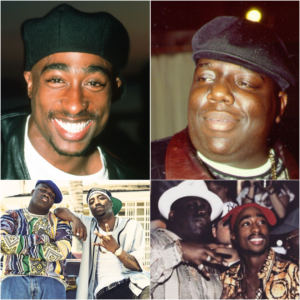
Things, naturally, started to intensify between the two rising stars as their fame and status rapidly escalated. This was, perhaps, inevitable, given the high stakes of the West Coast and East Coast rivalry, in which Tupac and Biggie were full-fledged representatives, respectively. When Tupac was shot and robbed in Manhattan in 1994, he believed Biggie had known of the attack and failed to warn him. Despite Biggie denying this, Tupac released several diss tracks directly attacking Biggie and his associates.
And yet people close to both artists allege that the two Grammy Award-winning artists remained holding the other in high esteem, despite the high stakes of the decade’s coastal rivalry.
In fact, according to one unearthed interview Biggie gave to Canadian magazine Peace, Biggie’s thoughts on Tupac were more nuanced than a simple binary of love and loathe.
“Pac get busy,” Biggie said. “People can’t take nothing from him. On the lyrics he get busy, straight up. That n*gga got some hard shit dog for real, and it’s like the sad thing about it. When he started working on his new album he’s got now, Out on Bail, (retitled and released as Me Against The World) he had so many raw East Coast producers and shit.”
“The shit was sounding real tight ’cause everybody always says Pac had lyrics but his beats was back,” Biggie continued. “He was up in New York when he was working on Above the Rim shit and he was working on his album at the same time. I put him on to Mo Bee. I put him on to L.G. He has Action, Special Ed’s DJ, he had some hard shit. (He) went back to the West and just started getting back into that other shit.”
Clearly, the Life After Death rapper had a whole host of thoughts and feelings about Tupac, and it is evident the high standard Biggie both held him in and expected of him.
Tragically, of course, the two stars were killed in separate drive-by shootings in 1996 and 1997, respectively. Not only is the detail of the manner of murder eerily similar, but the cases remaining officially unsolved even today can feel somewhat Shakespearian. Their legacy, of course, is testament to how the two giants shaped hip-hop forever: Biggie’s storytelling and flow set a new bar in the genre, while Tupac’s socially conscious lyricism and activism will continue to influence generations.
News
ME, MY SISTER BRITTANY, AND OUR MOM HAVE ALL BEEN SH0T… — Christian’s Terri:fying Words Reveal Utah Family Trag3dy That Left Mother De-:ad
Credit : GoFundMe (3) NEED TO KNOW On Monday, March 30, a Utah mother called 911 to report a fight between…
I HAVEN’T HEARD FROM HIM IN TWO DAYS… — Missing Mother’s Words Reveal Growing Fear as Search Intensifies in The Bahamas
(AP) – Police in the Bahamas said late Wednesday they have arrested the husband of a U.S. woman who was…
FINAL SCRE:AMS CAUGHT ON AIR…” — Utah Mom’s Terrifying 911 Call Reveals Family N!ghtmare Unfolding
A Utah woman made an agonizing call for help to 911 moments before her husband shot their whole family in a…
UTAH N!GHTMARE — Mother D3ad, Two Kids Fighting For Their Liv3s After Sh0cking Family Trag3dy
Credit : GoFundMe (3) NEED TO KNOW On Monday, March 30, a Utah mother called 911 to report a fight between…
UPDATE: POLICE ARREST HUSBAND AFTER WIFE VANISHES FROM BOAT IN THE BAHAMAS
Police in the Bahamas said late Wednesday they have arrested the husband of a U.S. woman who was aboard a…
🚨 SH0CKING U-TURN — Meghan Markle Suddenly Reverses Course… And Claims It’s “To Protect the Standards of the Monarchy”
Meghan Markle, who is the Duchess of Sussex, had previously hinted she was going to write more books, including her…
End of content
No more pages to load