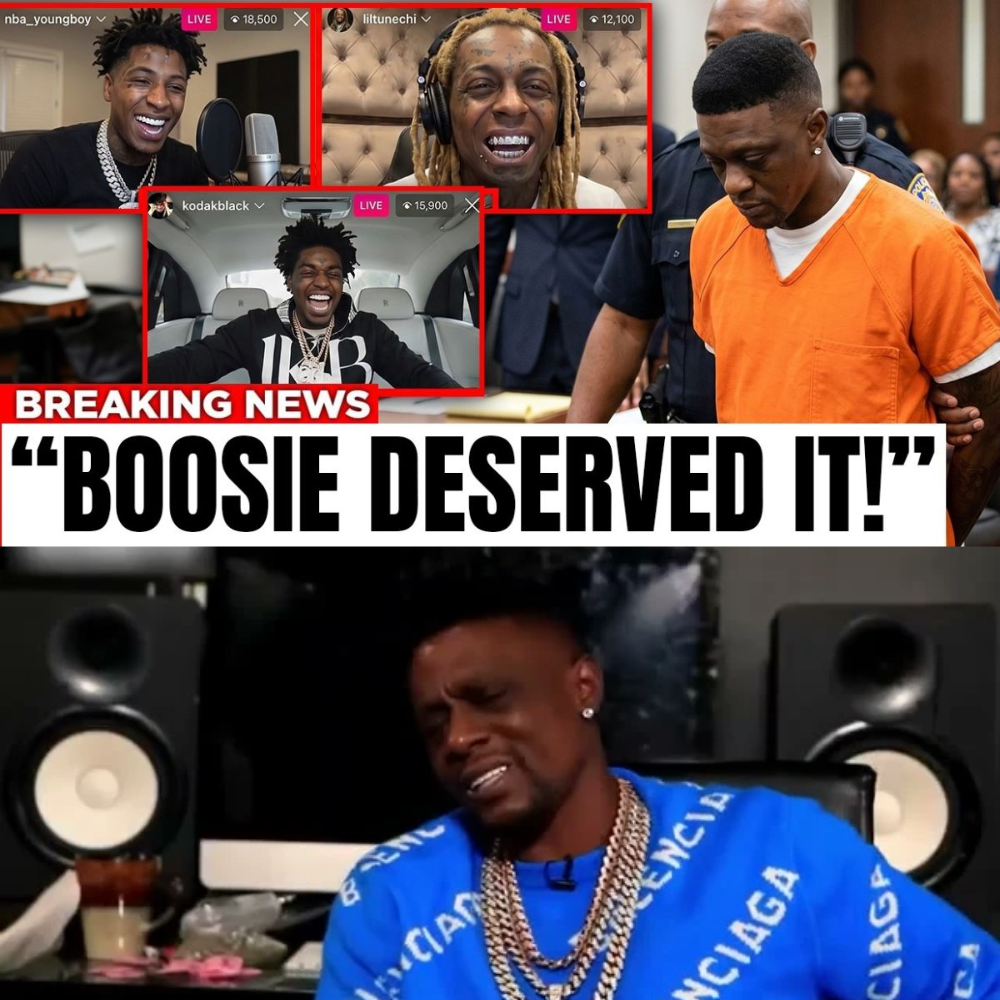
Social Media Explodes as Boosie’s Court Outcome Becomes a Trending Topic Across the Hip-Hop Community
Boosie Badazz has once again thrust himself into the spotlight, but this time, it’s not just for his music. The rapper’s recent sentencing has sent shockwaves through the hip-hop community, sparking reactions from fellow artists that range from supportive to downright critical. With a history as colorful as his lyrics, Boosie’s legal saga has captivated fans and foes alike.
In May 2023, while in San Diego for a performance and music video shoot, Boosie, whose real name is Torrence Ivy Hatch Jr., found himself in hot water. According to reports from NBC 7 San Diego, the San Diego Police Department spotted him during an Instagram live video holding what appeared to be a firearm. The footage showed a loaded Glock 19 tucked into his waistband. Following a traffic stop in Chollas View, officers discovered two loaded handguns and ammunition in the vehicle. Initially arrested on state-level firearms charges, Boosie pleaded not guilty, posted bail, and even took the stage that same night.
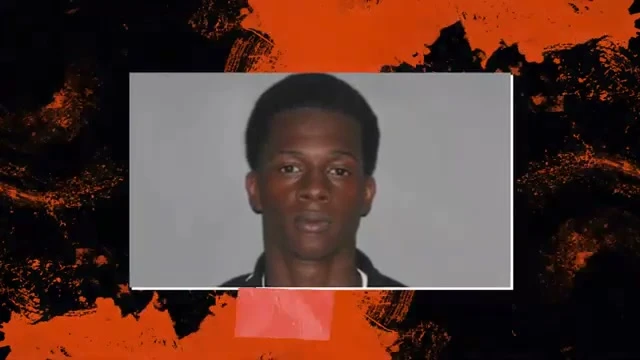
However, the situation quickly escalated. Prosecutors argued that Boosie’s 2011 felony drug conviction from Louisiana barred him from possessing firearms, transforming what could have been a simple state issue into a federal case. He was charged under 18 USC section 922 G1 for being a convicted felon in possession of a firearm, with an additional count for being a drug user in possession. The case took a dramatic turn as federal investigators relied heavily on Instagram footage as pivotal evidence. As the case unfolded, it became clear that live streams could now be used as admissible exhibits in court.
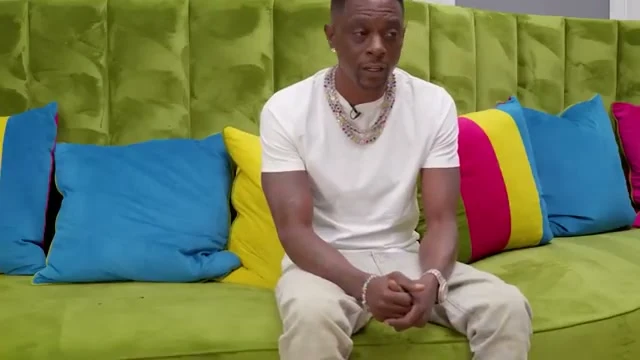
The twists and turns of Boosie’s legal battle continued through 2024, including a brief glimmer of hope when a 9th Circuit Court of Appeals ruling questioned the constitutionality of permanently barring certain non-violent felons from owning firearms. For a moment, it appeared Boosie might walk away unscathed. However, that hope was dashed when a larger panel of judges reversed the ruling, leading to Boosie’s eventual guilty plea in August 2025, citing exhaustion from the prolonged fight. Sentencing finally arrived on January 9, 2026, where U.S. District Judge Cathy Ann Bencivengo delivered a surprising sentence: time served, three years of supervised release, 300 hours of community service, and a $50,000 fine.
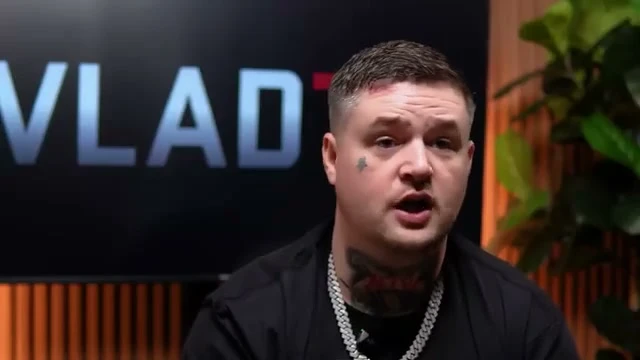
Reactions within the rap world have been mixed. 1090 Jake, a prominent figure in the hip-hop commentary scene, expressed relief over the outcome, noting that it was significantly lighter than the typical federal sentences for such charges. Jake emphasized that the average federal felon-in-possession sentence hovers around 4 to 4.5 years, making Boosie’s time served a surprising yet welcome resolution. However, the discourse shifted when Boosie leveraged his sentencing moment to reignite his long-standing feud with Kodak Black, a move that drew scrutiny from peers and fans alike.
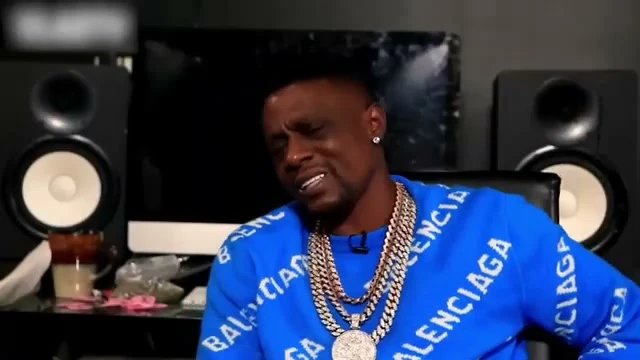
Artists like Joe Budden and Only Business 250 weighed in on the fallout of Boosie’s actions post-sentencing. While some older figures in the industry aligned with Boosie’s sentiments about authenticity in hip-hop, younger commentators questioned the wisdom behind his public feuds, especially considering his recent legal troubles. The irony was not lost on many, as Boosie, having narrowly avoided serious prison time, immediately returned to the same public conflicts that had previously put him in jeopardy.
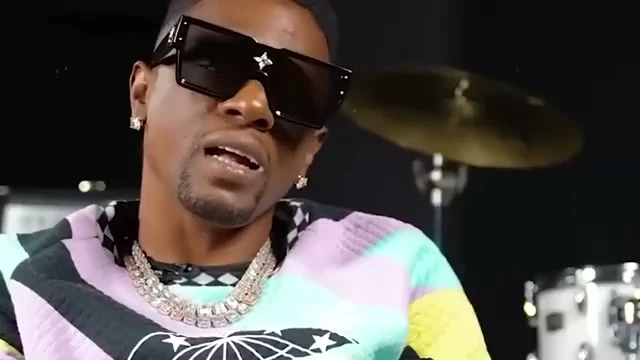
As Boosie embarks on his supervised release, the stakes are high. He must navigate a strict regimen that includes regular check-ins and compliance with all laws. The real question remains: will he choose to focus on his music and family as he promised the court, or will he continue his pattern of public confrontations? Time will tell if this latest chapter in Boosie’s tumultuous life serves as a turning point or just another close call in a career defined by pushing boundaries. The hip-hop world is watching, and if history is any guide, Boosie’s journey is far from over.