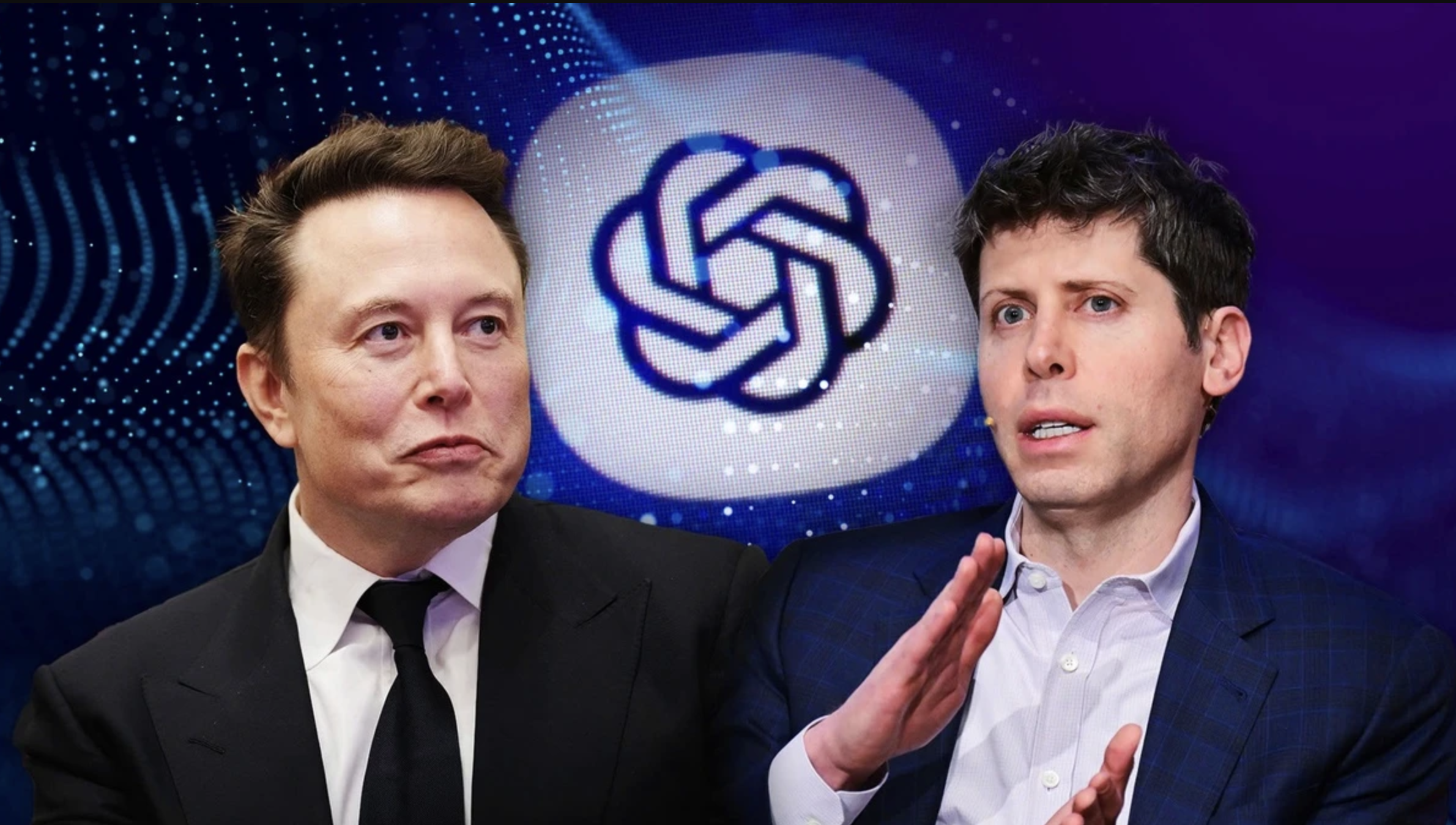
In February 2018, Elon Musk decided to leave OpenAI after an unpleasant meeting with the board of directors, leaving Sam Altman scrambling to figure out how to keep the organization financially afloat.
After a period of back-and-forth, Musk informed Altman that he would be stepping away from OpenAI.
In hindsight, had Musk stayed just two more months, he would have witnessed the birth of GPT-1—built on the Transformer architecture—which might well have changed his mind.
But at that moment, Musk was determined to leave. After all attempts to persuade him proved futile, and in order to maintain stability and order within the organization, Altman proposed holding an all-hands meeting, giving Musk the opportunity to explain his decision and say goodbye to the team.
On a cold day in February, the entire staff gathered in the rooftop conference room. The meeting opened with words of thanks from Altman, who expressed his appreciation for Musk’s contributions and explained that Musk would be devoting more of his energy to Tesla.
However, during the Q&A session, Musk’s blunt—borderline reckless—style once again came to the surface. He insisted that he was not leaving the field of AI and planned to continue pushing AI research at Tesla. Musk also criticized OpenAI’s pace, saying: “I think OpenAI needs to move faster.” In Silicon Valley, “move fast” is a well-known slogan often used by startups to encourage bold action. The unspoken continuation of that phrase—about breaking things—has famously been plastered on the walls of many tech companies, including Facebook.
At that point, an intern stood up and challenged him: “Elon, isn’t that irresponsible? Have you ever thought about AI safety?” Musk immediately lost his temper and called the intern—whose name he likely didn’t even know—“stupid.” Such authoritarian outbursts were nothing new at Tesla or SpaceX, but at OpenAI, this was the first time something like this had happened.
The entire room fell silent. Realizing he had lost control, Musk abruptly ended the meeting and hurried out. Most of the OpenAI employees present that day would never see him again.
After the incident, Altman handled the awkward situation with a light touch. He had a small trophy made for the intern, engraved with the word “Stupid,” mounted on a small base, and presented it to him. “Sometimes you have to find a bit of humor,” Altman later recalled. “That’s what shapes company culture.”
Not long afterward, OpenAI’s official website announced that Elon Musk would be leaving OpenAI’s Board of Directors, but would continue to support the organization as a donor and advisor. The statement explained that, as Tesla increasingly focused on AI development, the decision would help eliminate potential conflicts of interest Musk might face in the future.
To reassure employees and supporters, the announcement also listed a group of new donors. Yet anyone paying close attention understood that, in terms of both influence and financial depth, these new backers could not compare to Musk.
News
EXPL0SIVE HOME VIDEO SURFACES: Archie & Lilibet Caught Running Around Searching for Something in Rare Clip That’s Sending Royal Fans Into a Frenzy
Both of the Duke and Duchess of Sussex’s children inherited Prince Harry’s red hair Meghan Markle during a visit to…
A fleeting moment from Princess Charlotte at the Easter service hides a detail that has the entire royal community talking!
The young royal subtly switched up her signature hairstyle Princess Charlotte attends the 2026 Easter Matins Service at St George’s…
🚨SHOCKING “REVENGE” MOVE? — Meghan Markle and Prince Harry are suspected of pushing the Royal Family into a new wave of tension!
The Sussexes’ calendar is ramping up with their upcoming Australia visit and a raft of new TV deals, but they…
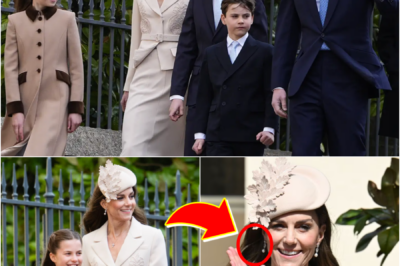
🔥 Royal Fans Are Stunned by Catherine’s Easter Appearance — The Subtle Detail Everyone’s Whispering About!
Her return to the Easter service after two years, Queen Elizabeth II’s historic jewels, and a new hat signal continuity,…
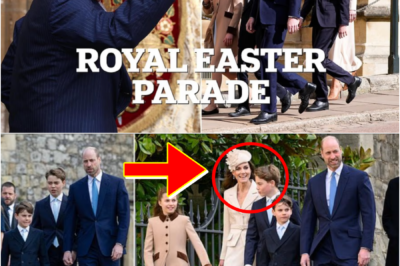
All eyes on Prince George at the Easter service — and the reason has fans “gasping”…
Royal fans are in awe at how tall Prince George, 12, has gotten – as William and Kate’s eldest son…
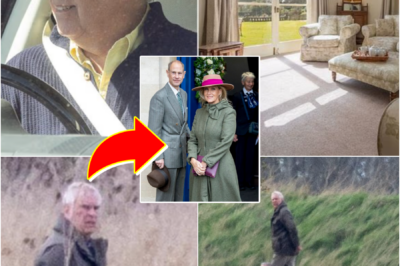
SH0CKING ROYAL EASTER INCIDENT! Prince Edward and Sophie found themselves in an awkward situation following a puzzling move by Andrew Mountbatten-Windsor, leaving royal watchers constantly speculating
Prince Edward and Sophie were forced to use a ‘holiday let’ in Sandringham because Andrew Mountbatten-Windsor refuses to leave their vacation…
End of content
No more pages to load