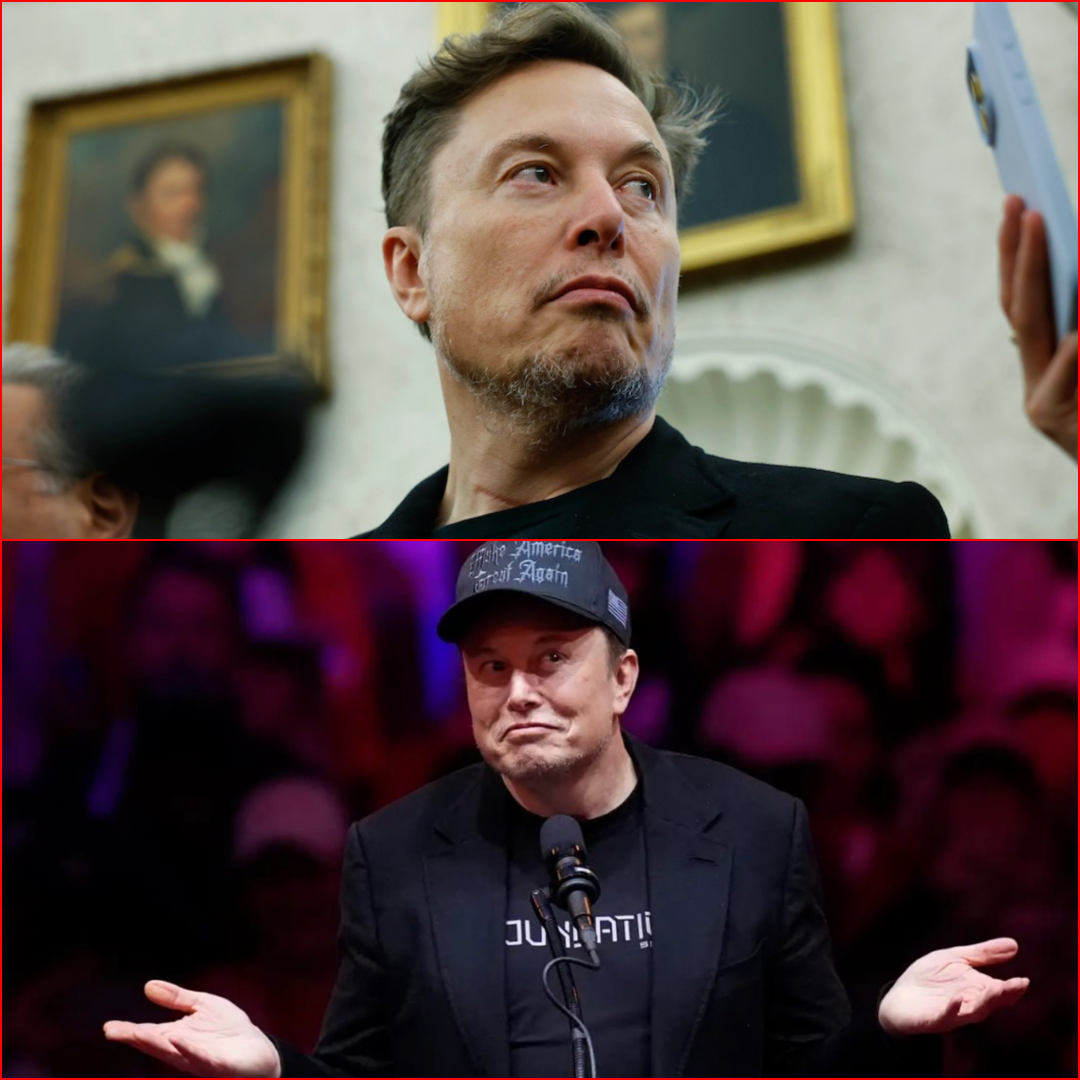
Elon Musk has never been known for keeping a low profile—and this time, the world’s richest tech mogul has turned the spotlight onto something few billionaires ever boast about: taxes.
In a recent statement that quickly set social media ablaze, Musk revealed that he pays over $10 billion in taxes, boldly claiming that he is “the largest individual taxpayer in history.” He even suggested that Guinness World Records should recognize him for the staggering sum. The comment immediately ignited debate: is Musk simply stating a fact, or is he seeking applause for doing what many believe is merely a civic duty?
“I’m the largest individual taxpayer in history. I pay over $10 billion in tax,” Musk said plainly—but nothing about the statement felt modest.
For supporters, the revelation reinforces Musk’s long-standing argument that he does pay his fair share, despite years of criticism accusing billionaires of exploiting loopholes to avoid taxes. In an era where ultra-wealthy individuals are frequently painted as tax dodgers, Musk’s figure stands out as almost unimaginable. Ten billion dollars is more than the GDP of some small nations. It is enough to fund public services, infrastructure, or social programs on a massive scale.
From this perspective, Musk’s claim feels less like bragging and more like a rebuttal—a calculated response to critics who argue that billionaires hoard wealth without contributing meaningfully to society. If accurate, his tax bill alone dwarfs what millions of average citizens combined would pay over decades. To some, that fact deserves recognition, or at the very least, acknowledgment.
But critics see the situation very differently.
They argue that Musk’s tax payment, while enormous in absolute terms, is still a fraction of the vast wealth he controls. Paying billions, they say, does not erase the broader systemic issues of wealth inequality, nor does it absolve the ultra-rich from benefiting disproportionately from tax structures designed in their favor. For these critics, asking Guinness World Records for recognition crosses an uncomfortable line—from transparency into self-congratulation.
There’s also the question of tone. Taxes are not a charitable donation; they are a legal obligation. Many argue that seeking praise for paying taxes risks alienating a public already struggling with inflation, rising living costs, and stagnant wages. To them, Musk’s comment feels detached from everyday realities, especially when millions of people feel crushed by far smaller tax burdens.
Yet Musk has never been one to follow conventional expectations of humility. His public persona thrives on provocation—challenging narratives, poking critics, and forcing uncomfortable conversations into the open. By publicly declaring his tax bill, Musk may be intentionally reframing the debate: if society wants billionaires to pay more, what happens when one claims to have done exactly that?
The suggestion of a Guinness World Record adds another layer of controversy. Is it satire? A genuine request? Or a strategic move designed to dominate headlines and steer the narrative on his own terms? Musk’s history suggests it could be all three at once.
Ultimately, the question isn’t just whether Elon Musk pays a historic amount in taxes—but whether recognition even matters. Should extraordinary contributions to public coffers be applauded, or should silence be the price of extreme wealth?
For Musk, silence has never been an option. And once again, a single statement has reopened a global conversation about wealth, responsibility, and where the line lies between transparency and ego.
News
OMG! The unexpected tension between Prince Harry and Prince William that has the internet in an uproar!
A royal wedding is on the horizon, and while the event will be a happy occasion for the Royal Family,…
CAUGHT CAMERA — Prince William’s Four-Word Whisper to Princess Charlotte and Prince Louis Caught on Camera
The Royal Family attended their annual Easter Sunday church service in Windsor this morning – and Prince William was spotted…

💥 THREE WORDS THAT MELTED HEARTS — Princess Charlotte Turns to the Camera at Easter and Quietly Says It…
Prince William got in on the coordinated look as well From left: Princess Charlotte, Kate Middleton, Prince George, Prince Louis…

THE FATEFUL DIAMOND CHAIN — Kevin “Tugg” Watson Sh0t D3ad on Facebook Live in South Austin, Ch!lling Argument Footage Leaves Viewers Shaken
What began as a routine livestream quickly spiraled into a moment that would leave viewers stunned and searching for answers….
WATCH VIDEO: Tugg Watson’s Family Drops Bombshell on K!llers – Chicago PD Ignored Key Evidence!
The case surrounding the death of Tugg Watson has taken a dramatic and unsettling turn, as his family steps forward…

CHAOS ERUPTS — Chief Keef Reacts After Cousin Is Taken in Sh0cking Chicago Incident
Tensions in Chicago have once again erupted into chaos, and this time the situation has hit close to home for…
End of content
No more pages to load